Whether it’s intimate apparel, industrial workwear, or home textiles, flame-retardant performance serves as the “last line of defense” for safety. However, not all “flame-retardant” fabrics are created equal—intrinsic flame-retardant fabrics and post-treated flame-retardant fabrics differ drastically. Choose the right one, and you’ll get safe, durable products with peace of mind; choose the wrong one, and you’ll face hidden risks and even erode your brand reputation. Today, we’ll break down their core differences to help you strike the workable balance between “safety” and “cost-effectiveness.”
I.Intrinsic vs. Post-Treated: Where Does Flame-Retardant Performance Come From? Core Differences Explained
The fundamental difference between the two lies in the source of their “flame-retardant genes”—one is “innate,” while the other is “added later.” This directly determines their performance limits.
Inherent Flame-Retardant Fabrics: Safety Inherent in Fibers
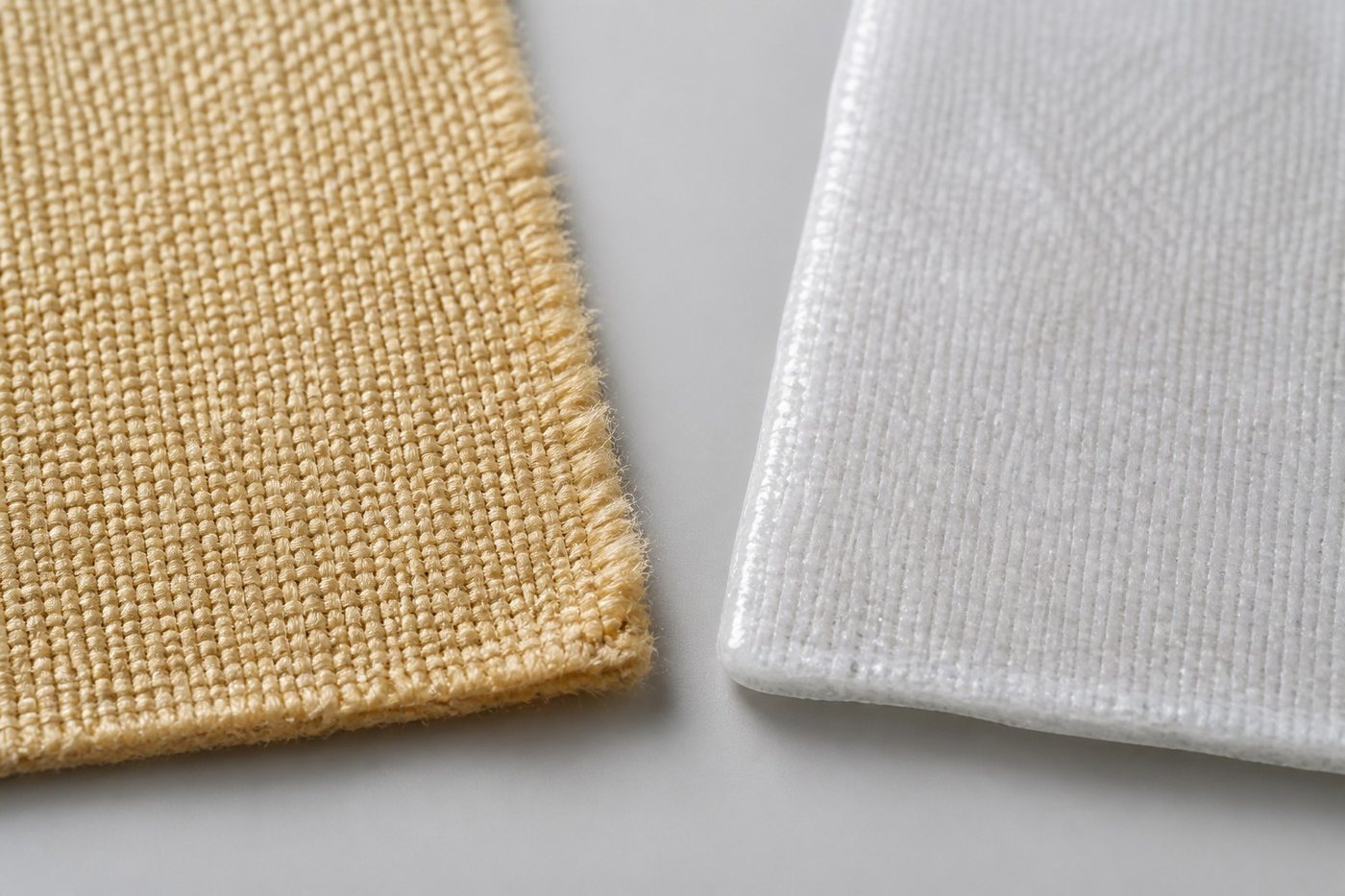
Flame-retardant components are integrated into the fiber molecular structure during production (e.g., through material modification or copolymerization technology), requiring no additional post-processing. Simply put, every single fiber possesses inherent flame-retardant properties—it’s not just a “surface treatment.”
Core Advantages:
Permanent Flame Retardancy: After 50+ washes, flame-retardant performance still meets national/EU standards and won’t degrade with use
No Residual Risks: No chemical flame-retardant coatings, so no shedding or migration—safe for direct skin contact
Stable Performance: No toxic gas emission at high temperatures, with more controllable flame-retardant effects
Natural Handfeel: Retains the fiber’s inherent properties—no stiffness, and doesn’t affect fabric breathability
Only Drawback: Higher R&D costs for raw materials lead to a slightly higher initial purchase price than post-treated products. However, the long-term use cost is lower (no frequent replacements needed).
Post-Treated Flame-Retardant Fabrics: Temporary Protection from “Coatings”
Ordinary fabrics are woven first, then flame-retardants are attached to the fabric surface or penetrated into fiber gaps through processes like dipping and spraying. Flame-retardant effects rely entirely on “external chemical agents.”
Core Disadvantages:
Short-Lived Flame Retardancy: After 10-30 washes, flame-retardants are significantly lost, and performance drops sharply or even fails
Safety Hazards: Substandard products may retain formaldehyde or halogenated flame-retardants, which can release harmful substances when in long-term skin contact or exposed to high temperatures—especially unsuitable for intimate apparel
Compromised Handfeel: Coatings tend to make fabrics stiff and less breathable, affecting wearing/using experience
Unstable Performance: Uneven distribution of flame-retardants may lead to “local non-flame-retardant” safety blind spots
Only Advantage: Lower initial purchase cost, suitable for short-term, low-frequency use scenarios.
II. Material Selection Guide: Which “Flame-Retardant Solution” Fits Your Scenario?
Choosing the right material equals safe implementation plus cost optimization. Combining the core advantages of our company’s intrinsic flame-retardant yarns and fabrics, we provide scenario-specific matching solutions below:
Intrinsic Flame-Retardant: Materials Worth Prioritizing
| Core Material | Suitable Fabric Type | Recommended Application Scenarios | Our Product Advantages |
|---|---|---|---|
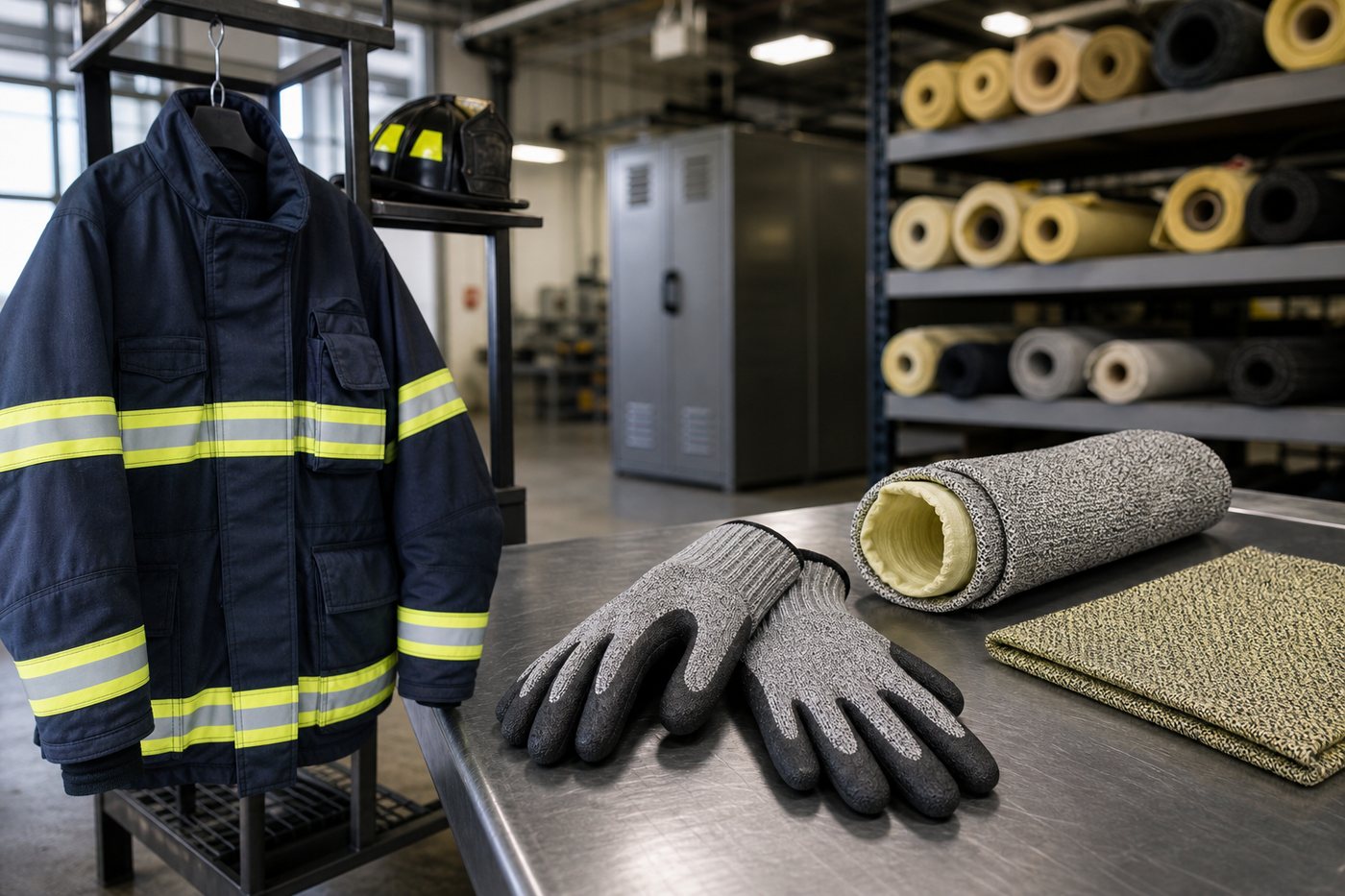
| Aramid 1313/1414 | Woven & Dense Knitted Fabrics | Industrial Workwear (Metallurgy, Firefighting), High-Temperature Work Clothing | High-Temperature Resistance + Permanent Flame Retardancy, High Yarn Strength & Wear Resistance |
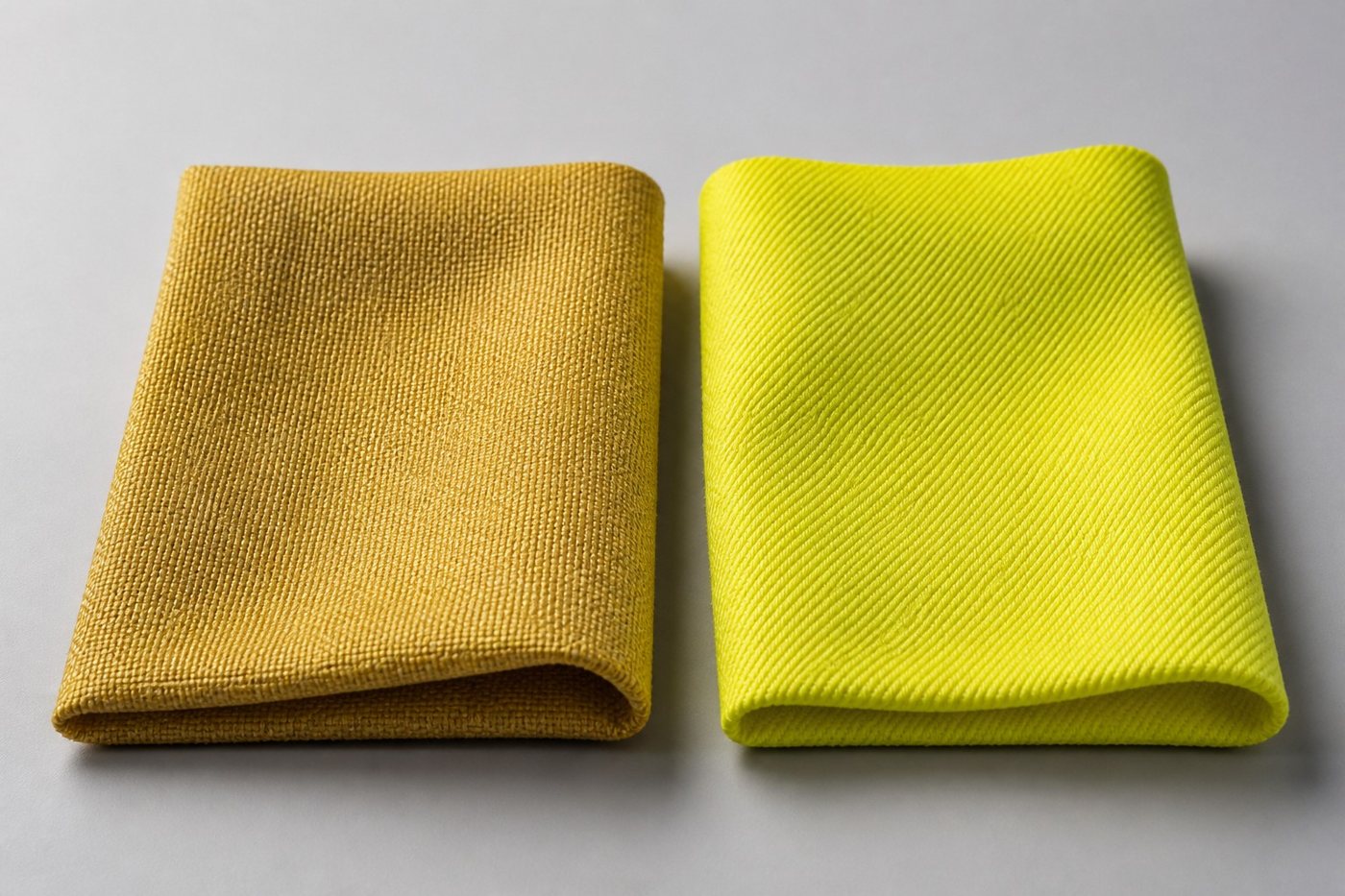
| Flame-Retardant Viscose Fiber | Knitted Interlock Fabric, Woven Plain Fabric | Intimate Apparel (Base Layers, Pajamas), Maternity & Baby Products | Skin-Friendly & Breathable, No Chemical Residues, Safe for Direct Skin Contact |
| Flame-Retardant Polyester Fiber | Knitted Rib Fabric, Woven Twill Fabric | Home Textiles (Curtains, Sofa Covers), Outdoor Tents | UV Resistance, Wash Durability, High Color Fastness |
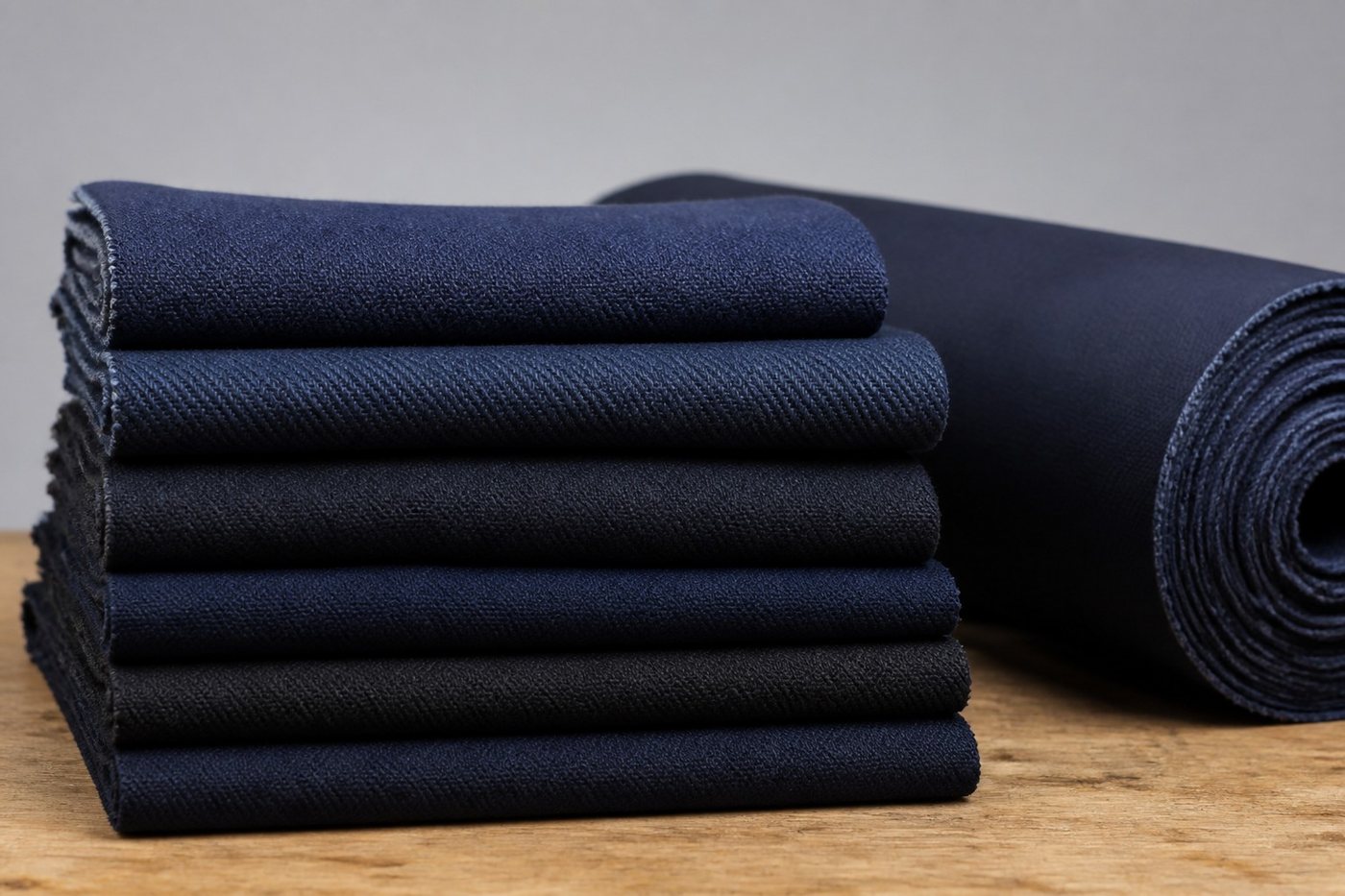
| Flame-Retardant Wool Blend | Knitted Sweater Fabric, Woven Suit Fabric | High-End Workwear, Winter Warm Flame-Retardant Apparel | Excellent Warmth Retention, Soft Handfeel, Meets High-End Demands |
Post-Treated Flame-Retardant: Only Recommended for These “Non-Core Scenarios”
If budget is tight and the scenario is specific, you can cautiously choose compliant post-treated products—but avoid intimate or long-term use scenarios:
Applicable Materials: Regular cotton, polyester, cotton-polyester blends (ensure flame-retardants meet REACH/GB 18401 standards)
Recommended Scenarios: Disposable event barriers, temporary storage covers, low-frequency non-intimate workwear outer layers
Notes: Must require suppliers to provide flame-retardant test reports, and clarify the correspondence between wash times and flame-retardant performance
III. Conclusion: Why Intrinsic Flame-Retardant Is the Better Long-Term Choice?
In the short term, post-treated flame-retardant fabrics may seem “cost-saving.” But when calculating long-term costs—the expense of frequently replacing failed fabrics, brand risks from safety hazards, and loss of customer trust due to “temporary safety”—far outweigh the initial purchase price difference.
For companies pursuing “safety certainty” and “product added value”:
Producing intimate apparel/maternity & baby products? Intrinsic flame-retardant viscose yarn is the baseline—safe and residue-free;
Producing industrial workwear/outdoor products? Intrinsic flame-retardant aramid & polyester fabrics are durable and reliable;
Producing high-end home textiles/apparel? Intrinsic flame-retardant wool blends balance safety and texture to attract customers.
We have specialized in R&D of intrinsic flame-retardant yarns and fabrics for years, with full control from fiber modification to finished fabric weaving. Every batch of products undergoes dual SGS certifications for flame-retardant performance and harmful substances. Whether you need skin-friendly knitted base layer fabrics or high-temperature resistant industrial workwear fabrics, we can provide “ready-to-use” safety solutions.
DM us now to get your [Intrinsic Flame-Retardant Fabric Sample Kit], including scenario adaptation plans and test reports;
LinkedIn users can directly book a 1-on-1 industry consultation to customize your exclusive flame-retardant fabric solution.