Oil & gas
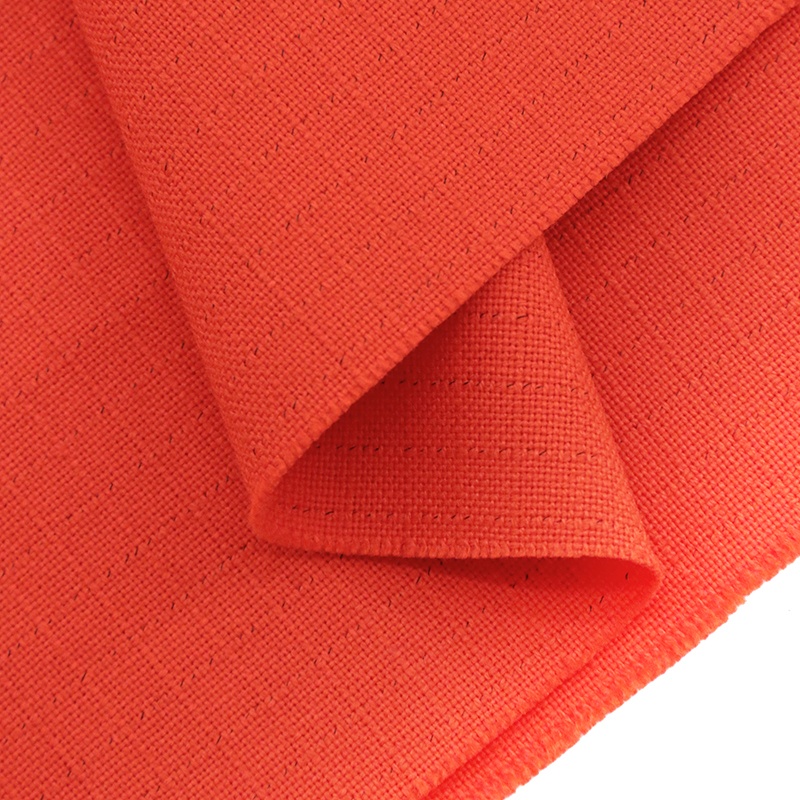
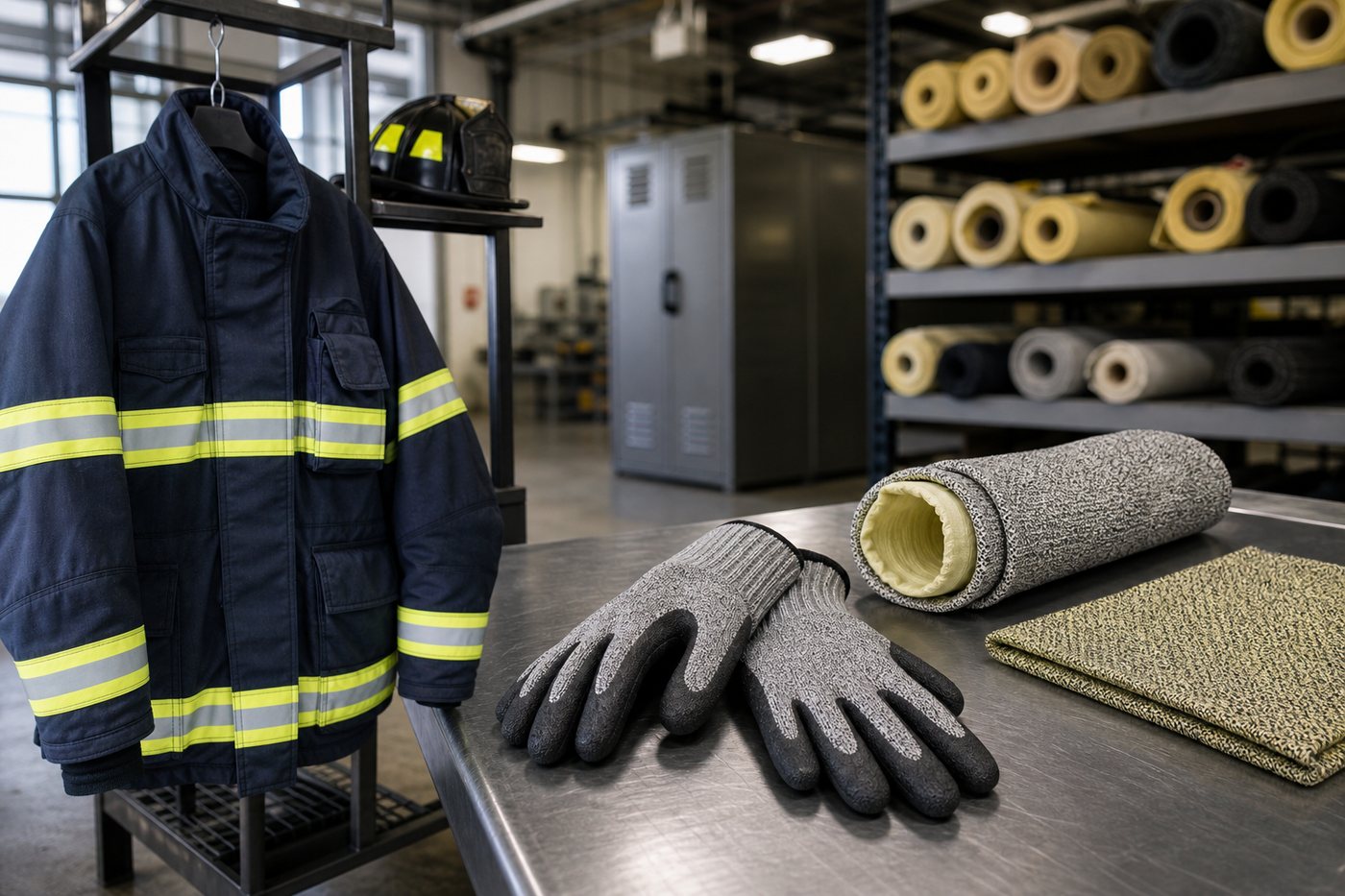
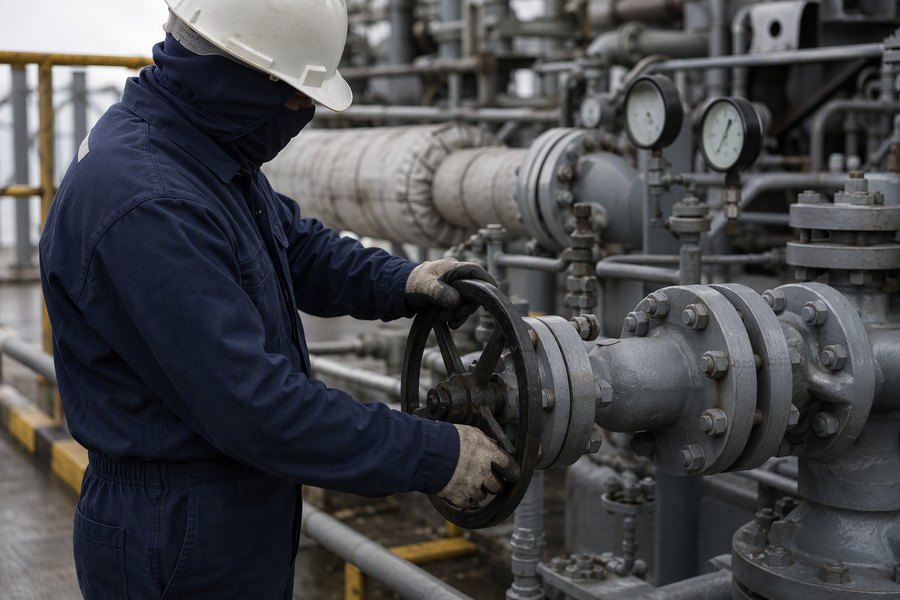
Meta-aramid blends and antistatic fabrics for flash-fire risk.
Meta-aramid · Antistatic
Modacrylic, aramid and HPPE yarns and fabrics for garment manufacturers, distributors and safety teams.
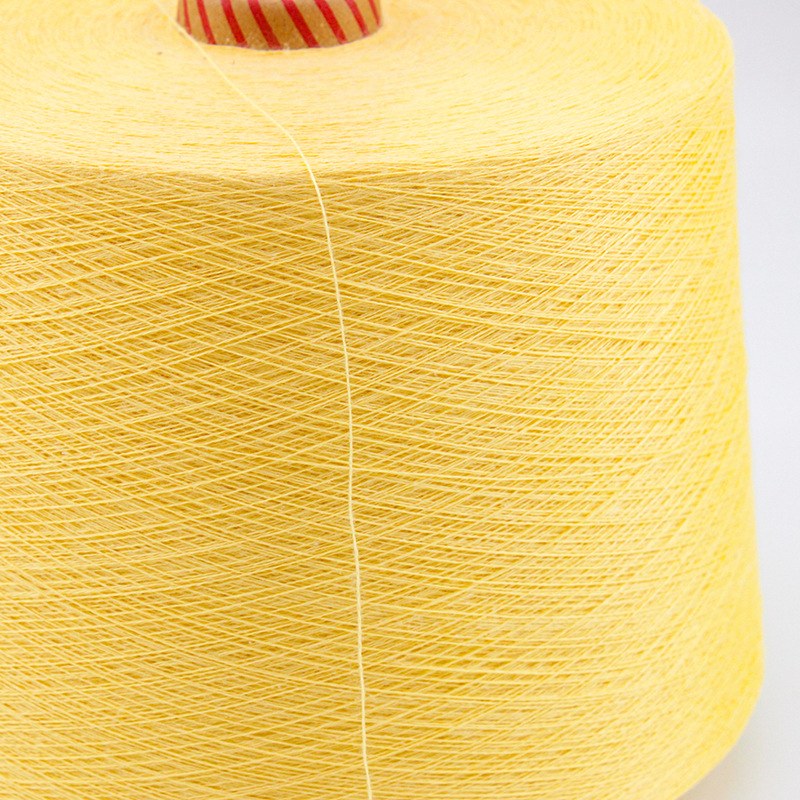
We spin the yarn, then weave the fabric
Modacrylic, aramid and HPPE yarns and fabrics for garment manufacturers, distributors and safety teams.
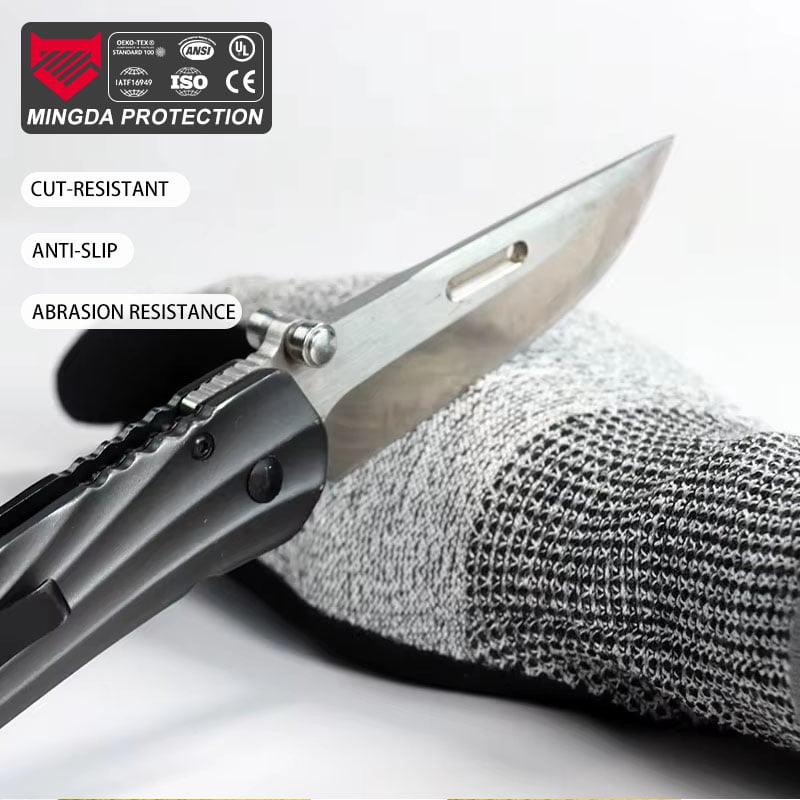
Cut-resistant yarns, fabrics and HAILIDUN gloves
Modacrylic, aramid and HPPE yarns and fabrics for garment manufacturers, distributors and safety teams.
Selection logic differs by hazard. Pick your industry and we'll shortlist the fibres and weights that fit:
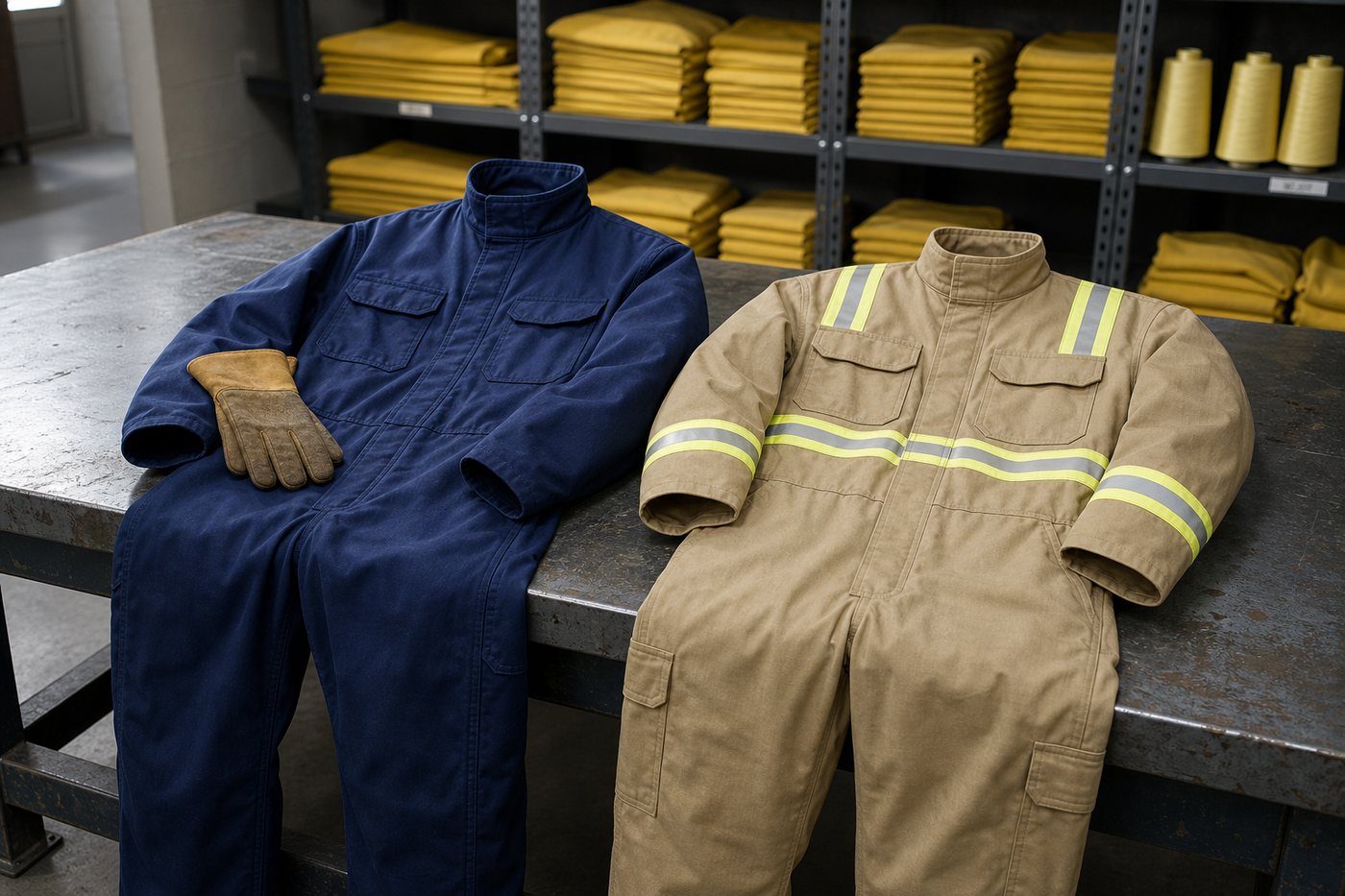
Meta-aramid blends and antistatic fabrics for flash-fire risk.
Meta-aramid · Antistatic
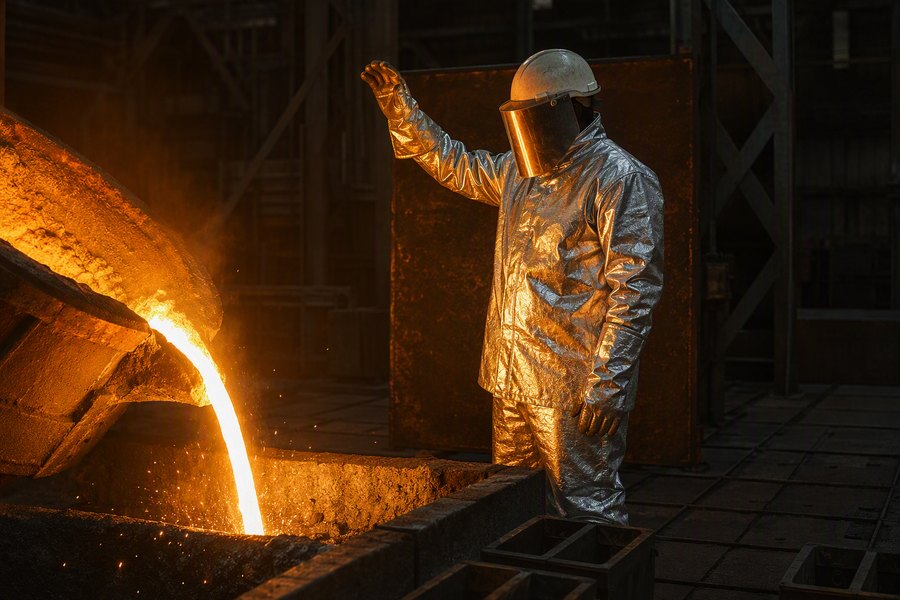
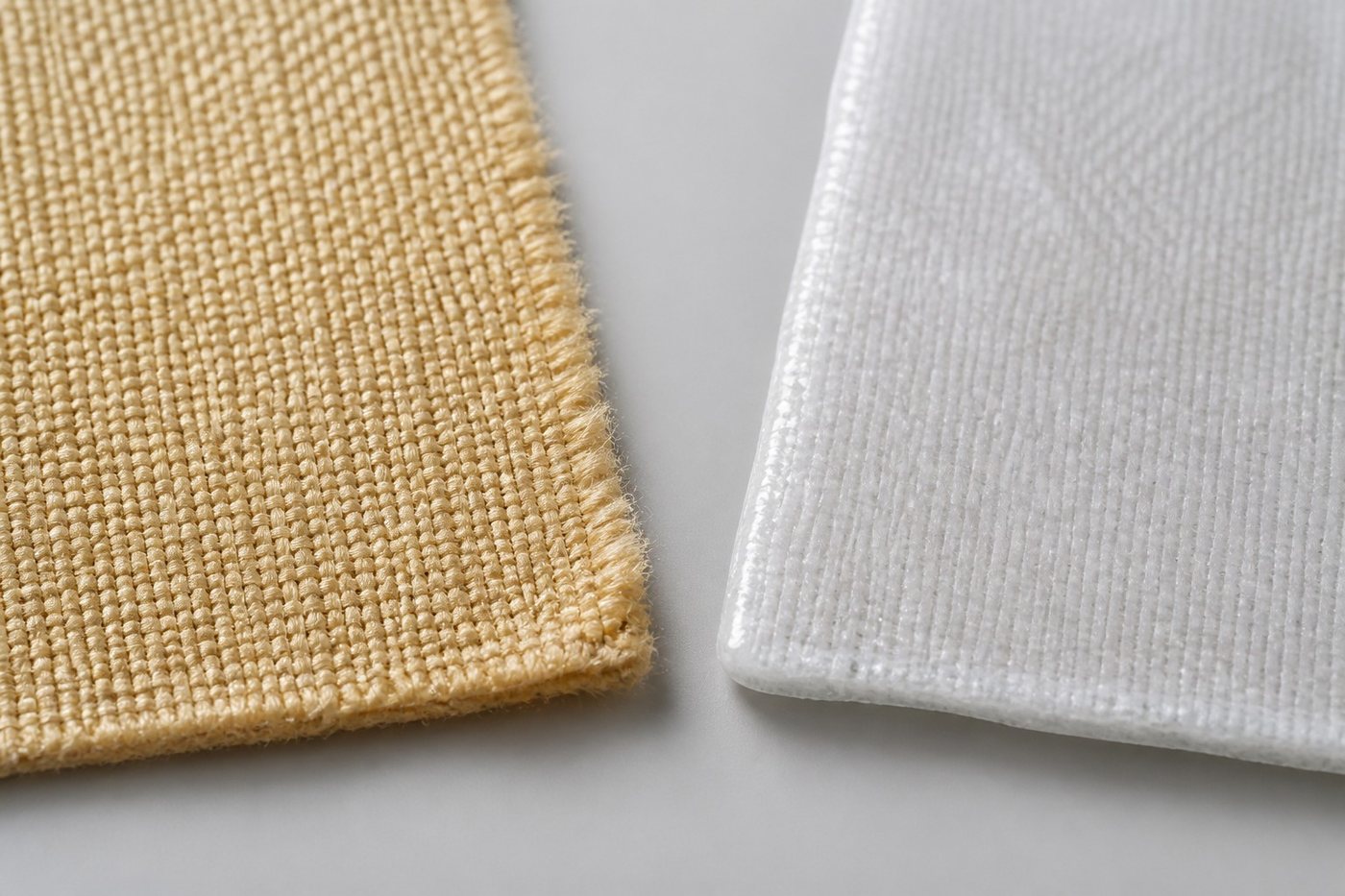
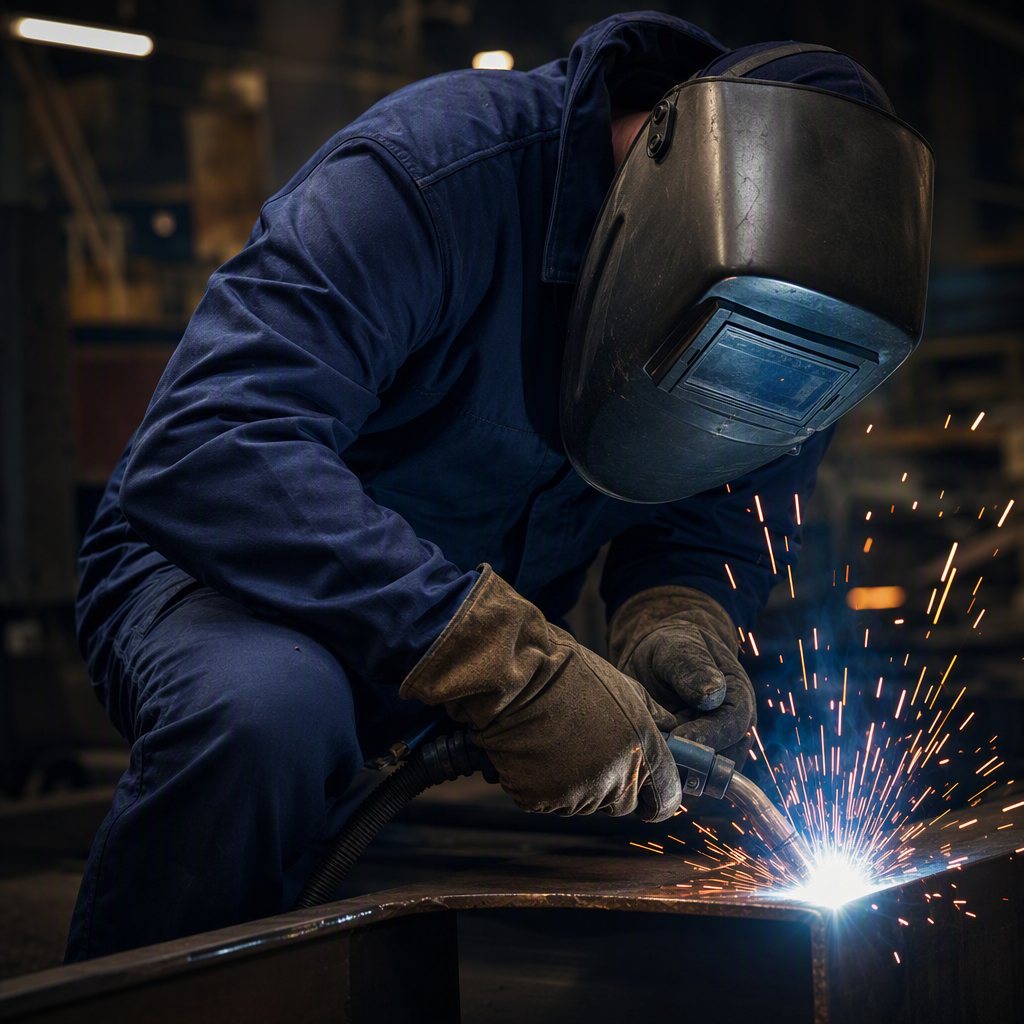
Aluminised and heavy-weight para-aramid for molten metal splash.
Para-aramid · Aluminised
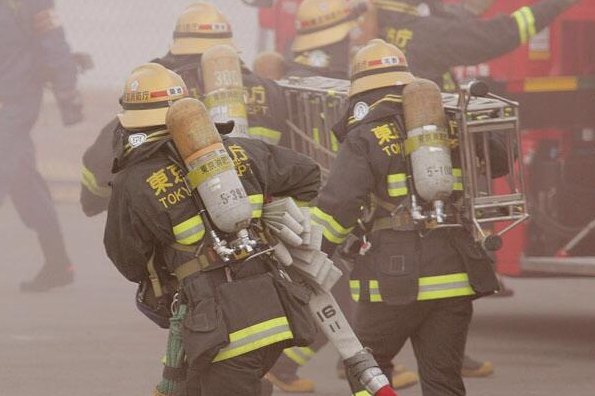
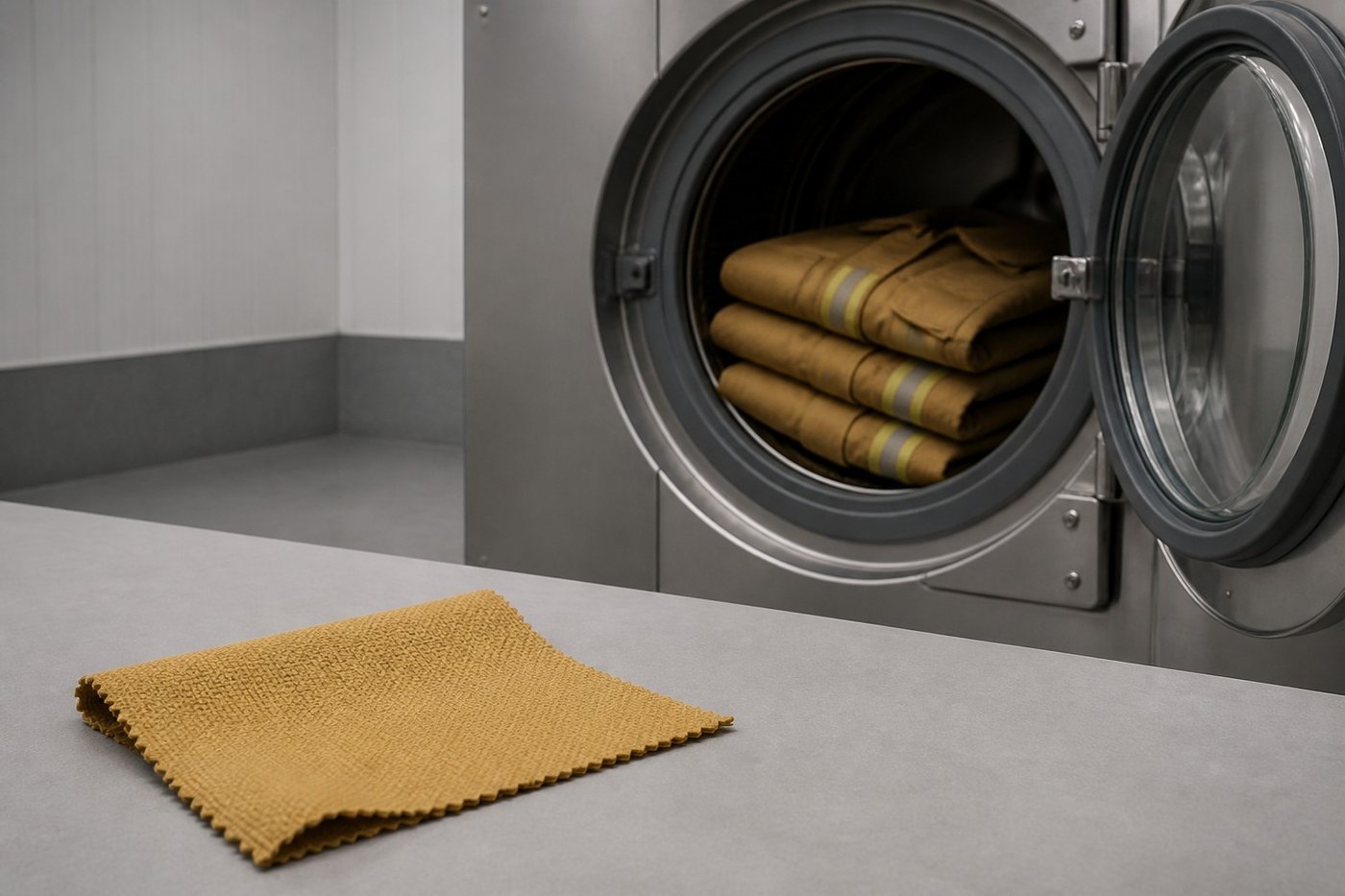
Double-jersey knits and inherent FR shells for turnout gear.
Meta-aramid · Para-aramid
From 90 gsm lightweight knits to 600 gsm aluminised cloth — all built on the same fibre systems.
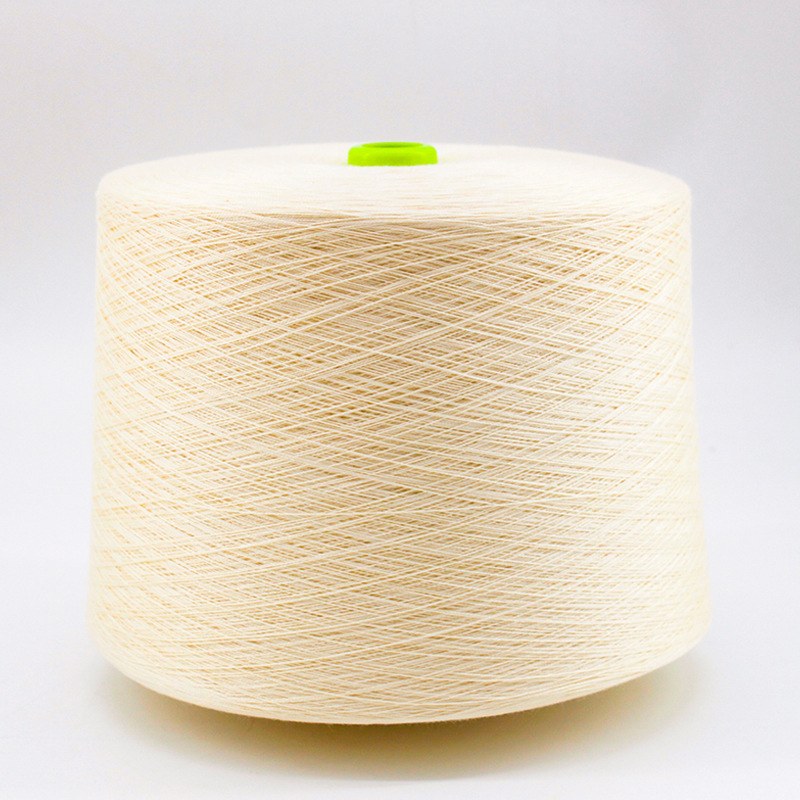
Meta-aramid and para-aramid yarn, Ne 1s to Ne 80s, single, two-ply or multi-ply.
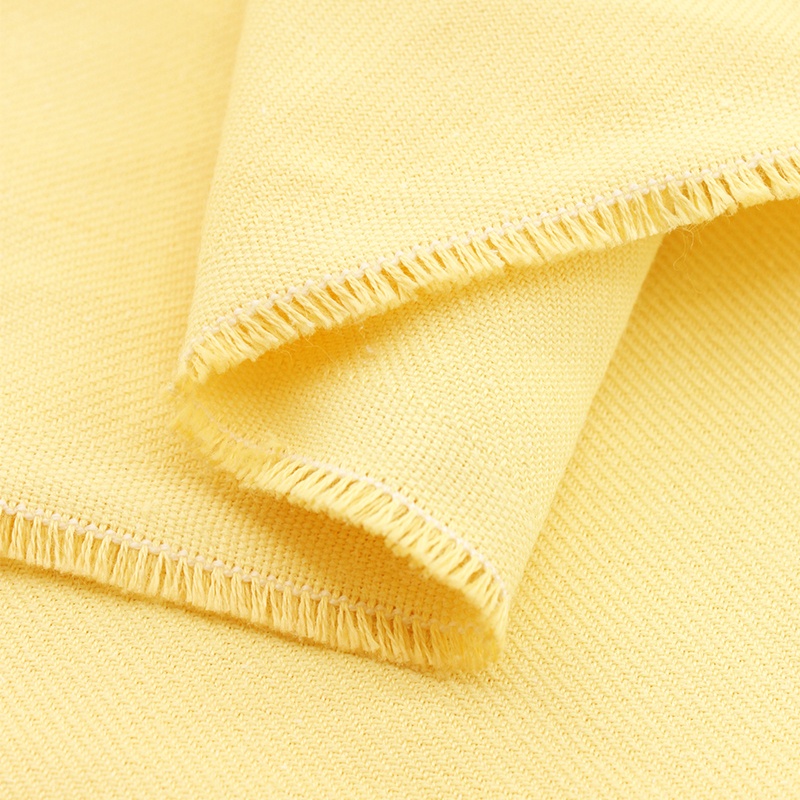
View products →Meta-aramid and para-aramid, from 90 gsm lightweight knits to 600 gsm aluminised cloth.
View products →Modacrylic, FR viscose and FR cotton blends for workwear and uniforms.
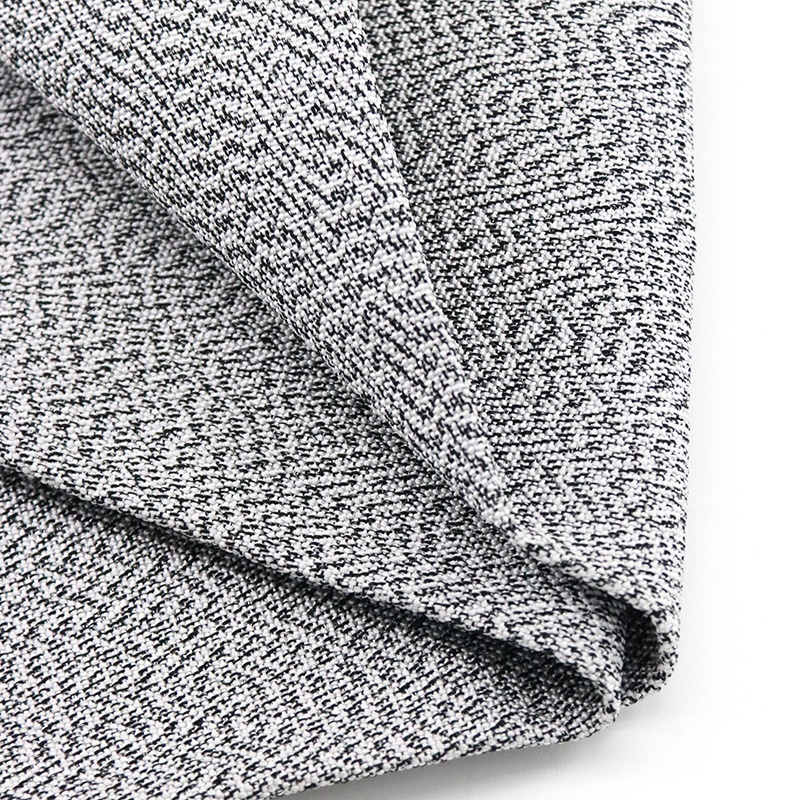
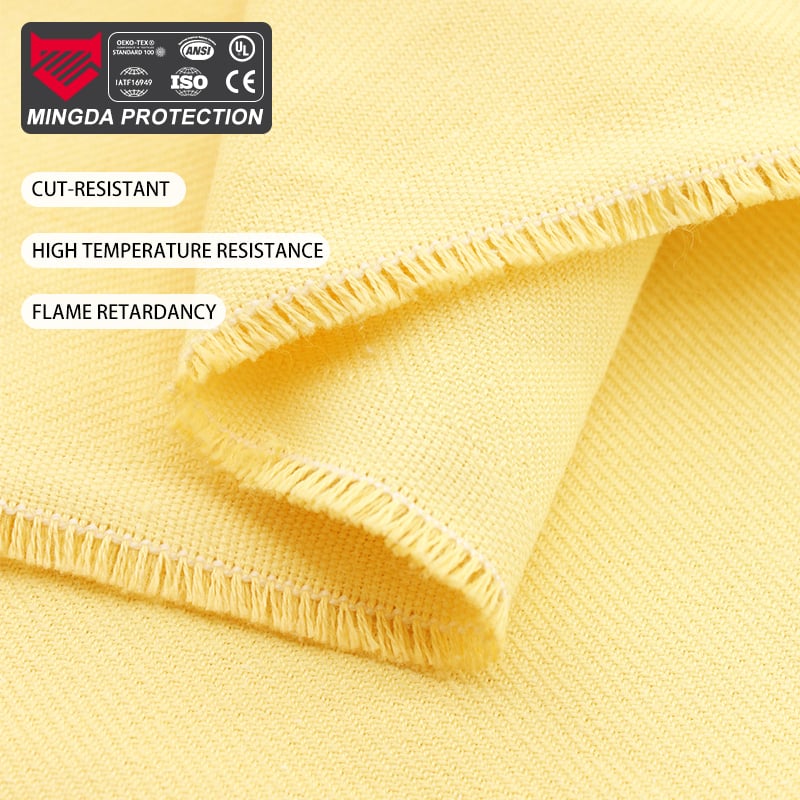
View products →ANSI A5–A7 cut-resistant woven and knitted fabrics for gloves and liners.
View products →Most of the range is selected by fibre and weight. These three are selected by the end product they go into — a hose line, a sound-insulation panel, a loudspeaker. Tell us that end product and we build the cloth to it.
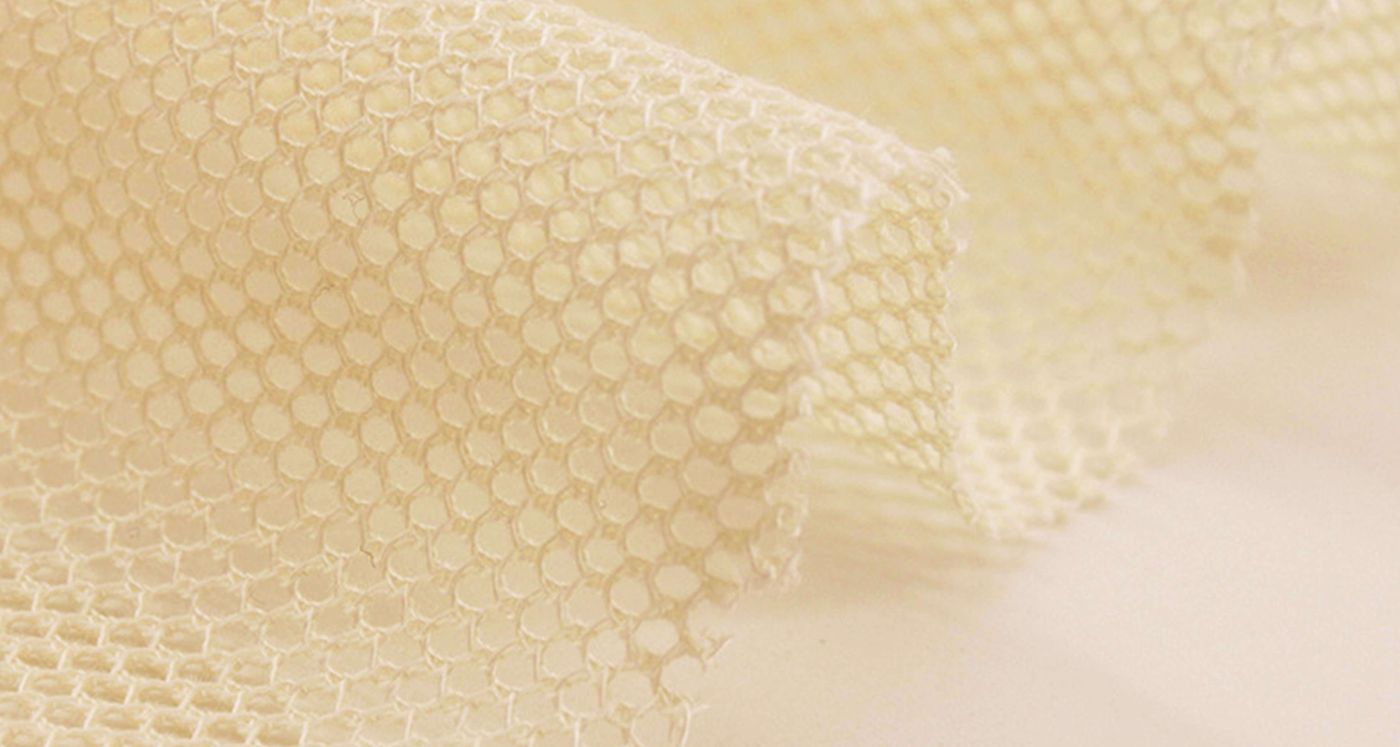
Base cloth for automotive silicone hose — mesh, weight and width set to your dipping line and mandrel rather than to a fixed catalogue.
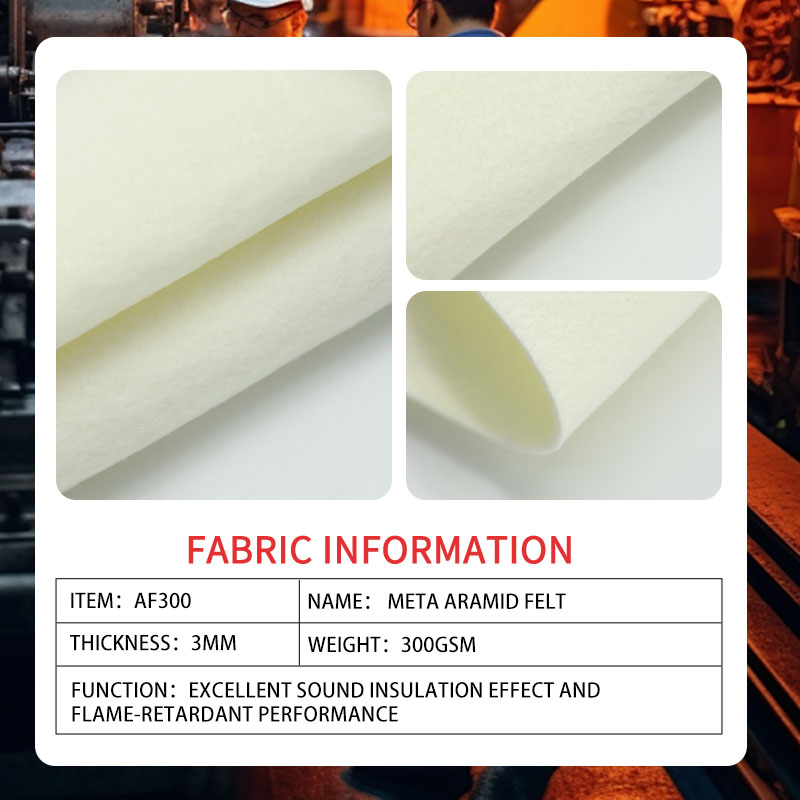
View products →AF300 meta-aramid felt, the functional middle layer of sound-insulation panels for data centres and server rooms.
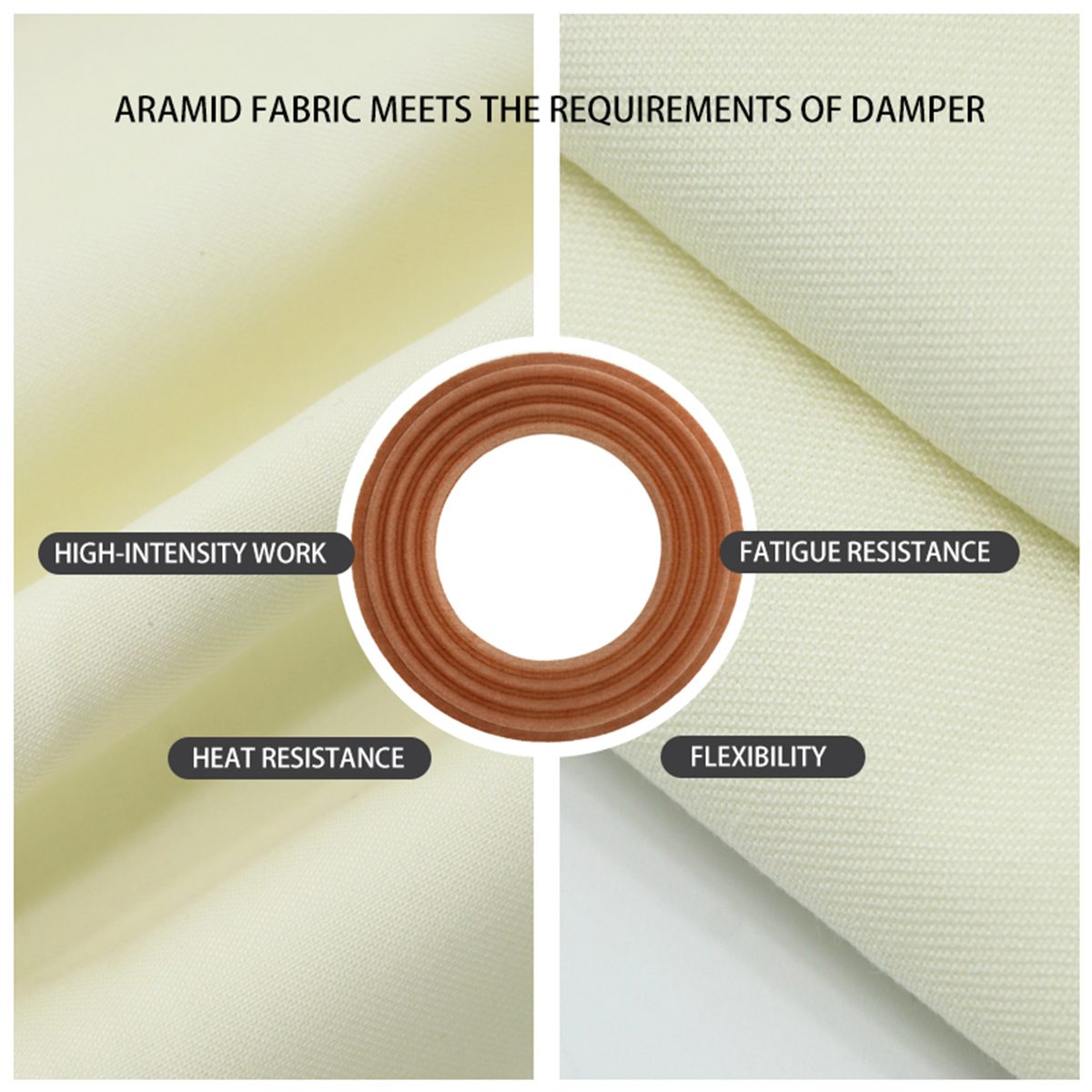
View products →Meta-aramid damper cloth, 158 gsm and 20s/2 in both directions, for woofer and subwoofer spiders.
View products →ISO 9001: 2015
Certified
IATF 16949: 2016
Certified
OEKO-TEX® STANDARD 100
Certified — Product Class II
RCS 2.0 (Recycled Claim Standard)
Certified — spinning, preparatory and weaving
EU RoHS Directive 2011/65/EU, as amended by (EU) 2015/863
Compliant
EN ISO 11612: 2015
Compliant
EN ISO 11611: 2015
Compliant
NFPA 2112
Compliant
ASTM D6413/D6413M-22
Compliant
GB 8965.1-2020
Compliant
GB/T 5455-2014
Compliant
Test reports and certificate copies are available from our sales team on request.
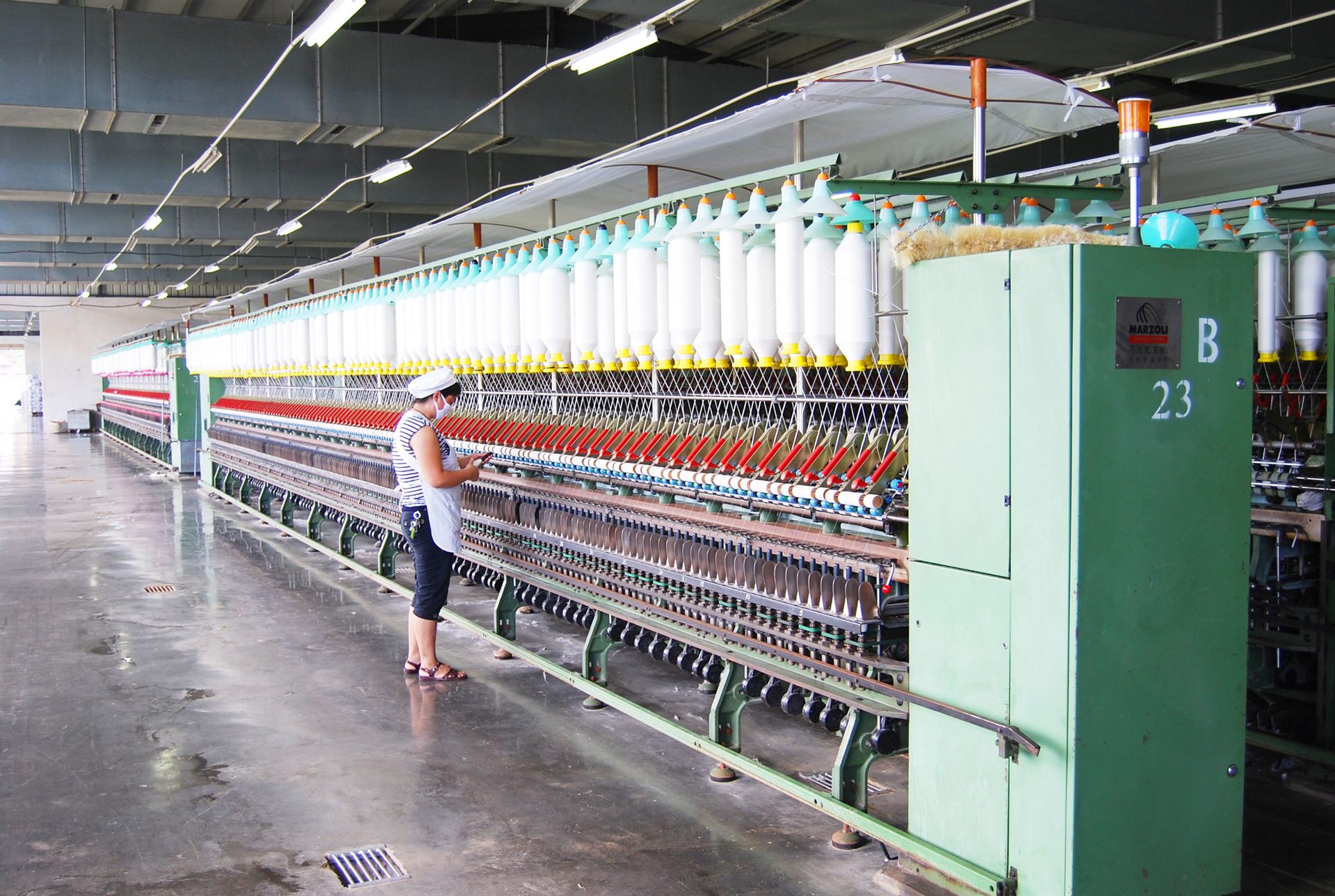
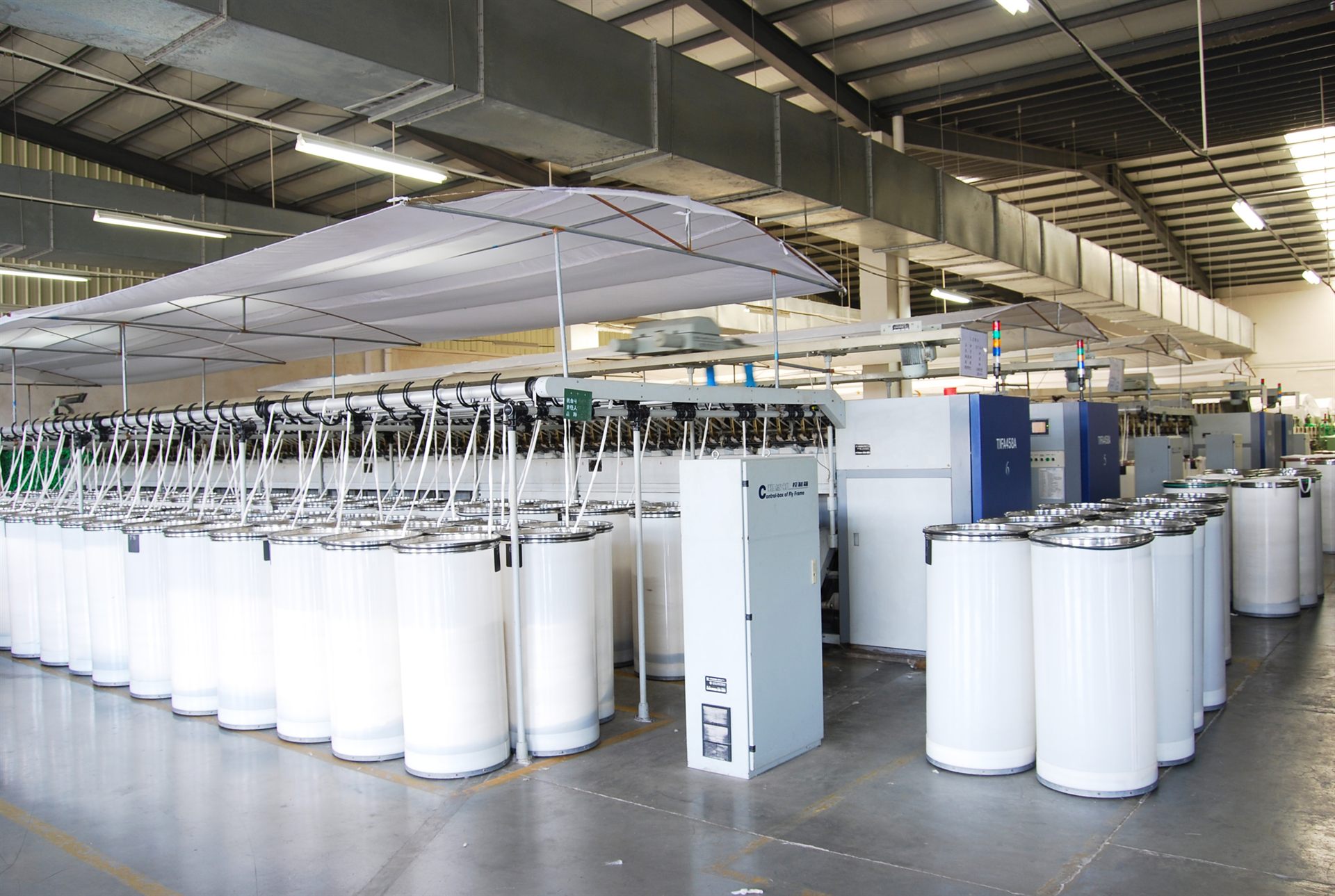
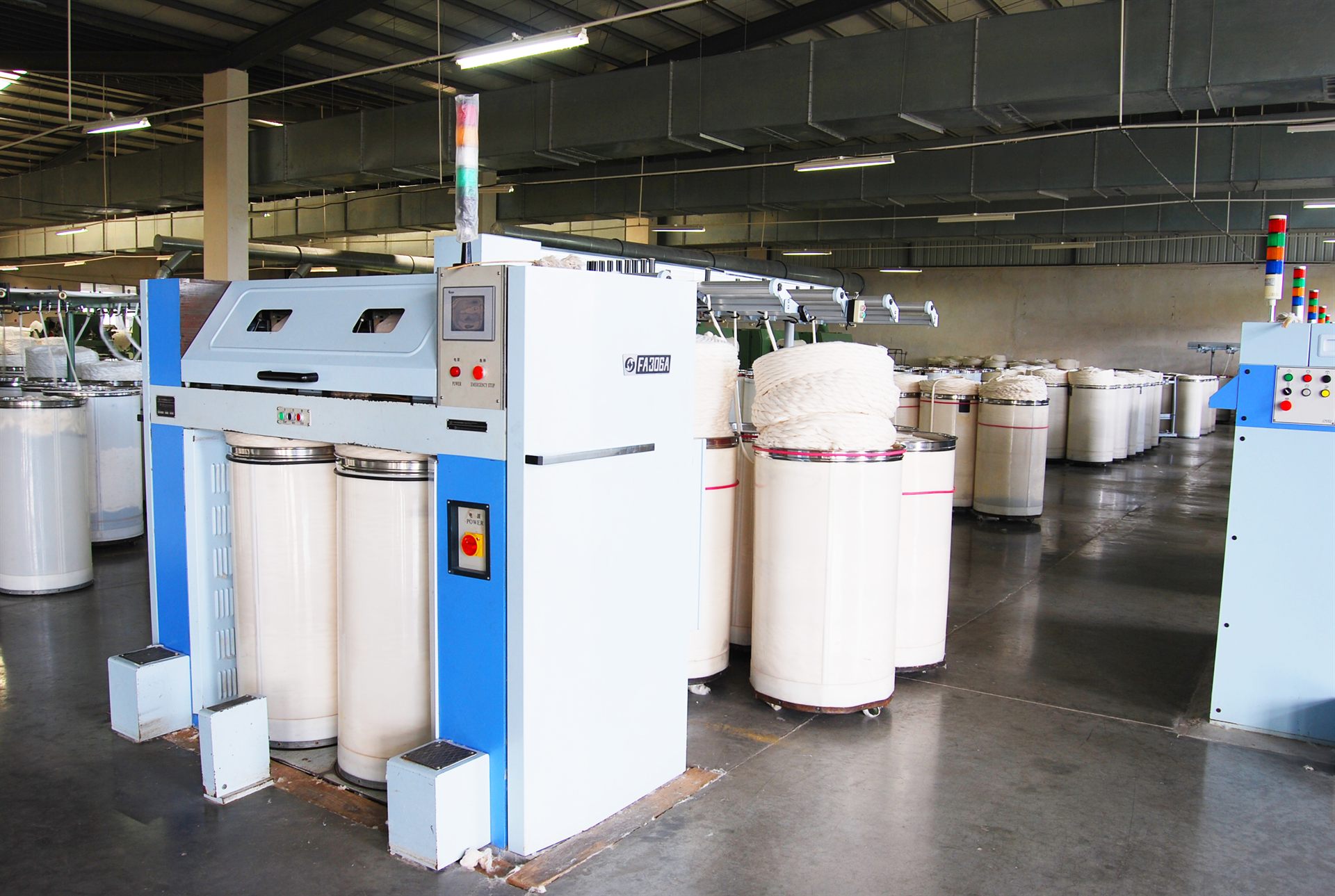
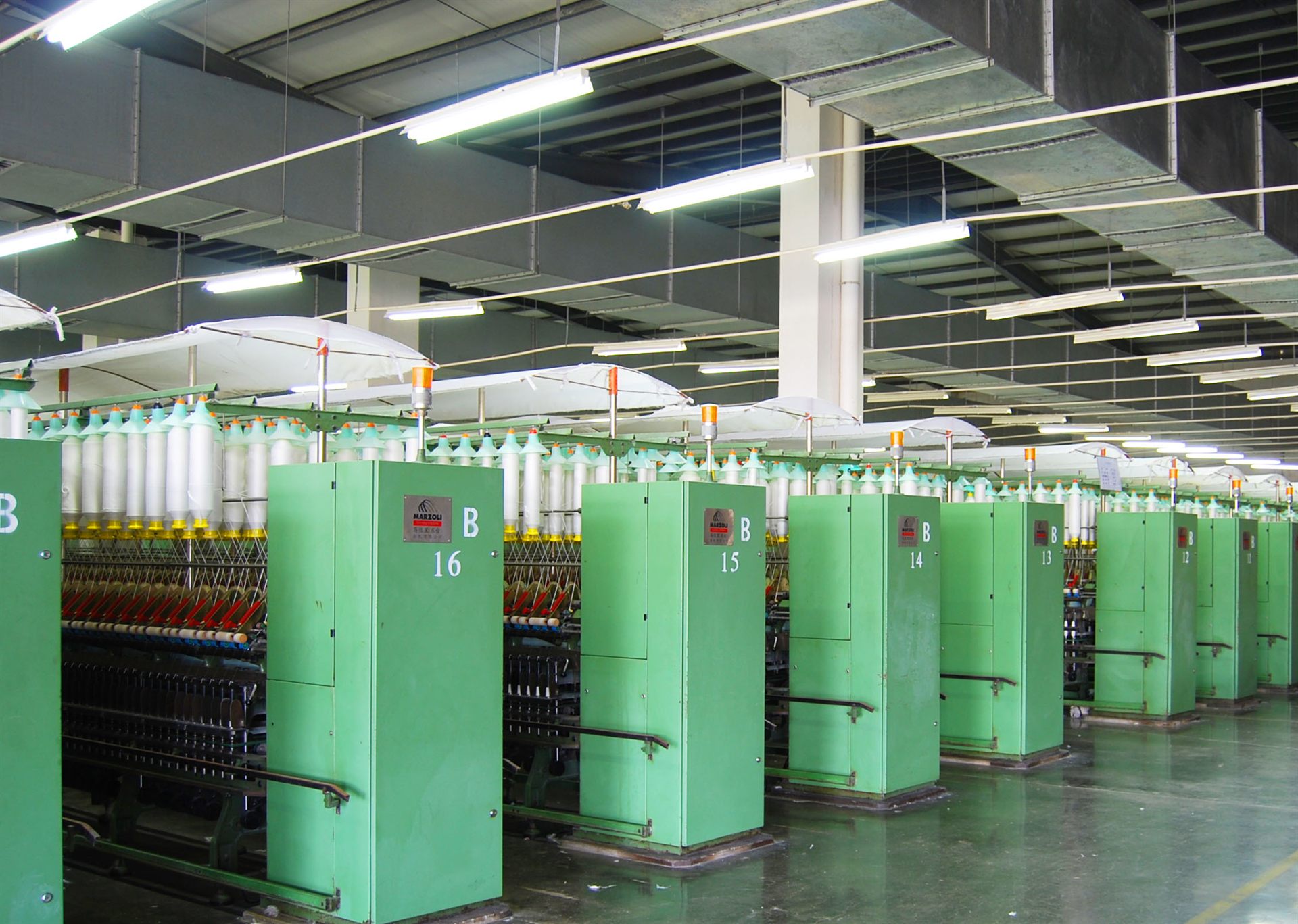
We spin and weave technical yarns in Shantou, Guangdong — a 30,000 m² facility with more than 300 staff and over 20 in R&D, running more than 500 tons of protective fabric and more than 1,000 tons of aramid, Modacrylic and HPPE yarn a year. Spinning and weaving sit in the same plant, so the fibre, the yarn and the finished roll stay under one quality system.
Notes from our technical team on fibre choice, weights and the standards your customers will ask about.
Tenacity, moisture regain and air permeability compared between meta-aramid (aramid 1313) and para-aramid (aramid 1414).
Read article →Meta-aramid chars and insulates; para-aramid carries the load. A quick decision guide for PPE buyers.
Read article →Why inherent flame resistance holds its rating after laundering, and what a treated finish loses over service life.
Read article →There is no single safe wash count. Inherent FR keeps its protection for the life of the garment; a treated finish washes away with each cycle, and that difference is what sets the service life you can promise.
Read article →Two systems, two scales — A1 to A9 measured in grams against A to F in newtons, and different test machines behind them. An A6 glove is not automatically an E.
Read article →Foundry heat runs past 1,200 °C and splashes reach 1,500 °C. What a metallurgy glove has to do that a flash-fire glove does not.
Read article →Tell us the application, the required weight and the standard you need to meet. Our technical team will come back with a matching fabric, the spec sheet and a quotation.