UHMWPE (HPPE) cut-resistant fabric, woven and knitted
UHMWPE / HPPE · Woven and knitted, 180 – 520 g/m² recorded · 100%, or composite with glass fibre or an aramid lining · Not flame resistant
Our UHMWPE (HPPE) cut-resistant fabric family: high strength and modulus at a low specific weight, with excellent abrasion resistance, for glove liners, sleeves, aprons, bag and pack reinforcement and chainsaw-protective constructions. A mechanical-protection material — it is not a flame-resistant fabric and we do not offer it as one.
- Very high strength and modulus at a low specific weight
- Woven and knitted, plain through to 3D knit and glass-fibre composite
- Not flame resistant — a mechanical cut and abrasion material only
The material
What UHMWPE is, and what it is not for
UHMWPE is ultra-high-molecular-weight polyethylene. Its polymer chains are extremely long and are drawn out along the fibre axis, so load is carried by a near-parallel bundle of chains rather than by a tangled structure. The result is one of the highest strength-to-weight ratios of any commercial fibre, a very high modulus and excellent abrasion resistance — the combination that makes it the reference fibre for cut-resistant glove liners, sleeves and aprons, and for chainsaw-protective constructions where the yarn has to jam the blade rather than be cut by it.
It is also a light fibre. UHMWPE is less dense than water and substantially lighter than aramid, so a liner or a sleeve at a given cut performance can be built lighter, or cover more of the wearer for the same weight on the hand. Moisture absorption is very low and the fibre is chemically inert, so it does not swell in humid conditions, it resists most acids and alkalis, and it does not rot or support microbial growth the way a cellulosic fibre can — which is why the fabric is also used to reinforce bags, packs and other soft articles that see hard handling.
What UHMWPE is not is a flame-resistant fibre. It melts rather than charring, and a melting fibre can stick to skin — the failure mode that protective clothing standards exist to avoid. We therefore do not offer this fabric against any heat, flame, arc or molten-metal requirement, and no flame or heat standard appears in the standards list on this page. Do not use this fabric where flame, heat or electric arc protection is required; for those hazards a meta-aramid, para-aramid or 3A fabric is the correct material.
The cut performance itself is a property of the finished article rather than of the roll. Every construction in this class is built to a target, the target is reached by testing the construction, and the lettered grade a glove or a sleeve carries is issued on that finished article. What we supply with the cloth is the material data behind it: composition, weight, construction and the cut resistance of the construction in newtons. That is the input a glove maker or a garment maker needs, and it is the figure we can stand behind at fabric level.
Who makes it
Who makes the fabric
Our textile manufacturing roots go back to 1972 and the company was established in Shantou, Guangdong in 2002. The UHMWPE in this cloth is spun and converted in a 30,000 m² integrated plant, so the yarn and the woven or knitted fabric come from one production chain rather than from a trader.
This page covers the UHMWPE (HPPE) cut-resistant class as a whole, woven and knitted. Weight, construction and any glass-fibre or aramid composite component are set with the order against the article the fabric is going into, and where a programme needs a cut result at fabric level we test the construction and report the lot.
Technical data
Product information
The UHMWPE (HPPE) cut-resistant fabrics we produce, by construction. Weights are the ones our records hold; a construction is set with the order. Where a record holds no figure we write On request instead of an estimate.
| Series | Composition | Weight | Construction | Key property | Source |
|---|---|---|---|---|---|
| UHMWPE fabric series | UHMWPE (HPPE), 100%; or UHMWPE with glass fibre for higher cut resistance | 180 – 520 g/m² across the class | Woven and knitted; plain woven, interlock and 3D knit constructions recorded | Not flame resistant. Cut and abrasion resistance; the cut value is established by testing the construction | Product record |
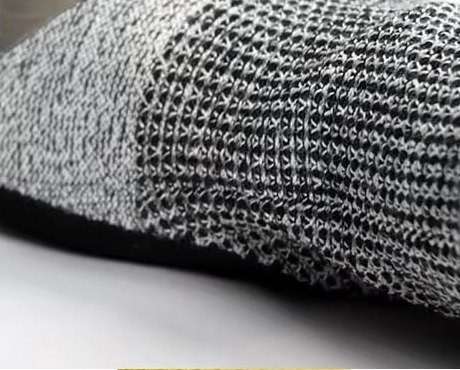
| HPPE knit for liners and sleeves | UHMWPE (HPPE) | 340 g/m² and 520 g/m² recorded | Knitted | Built as the cut-resistant layer of a liner, sleeve or apron | Product record |
| Composite woven fabric | UHMWPE (HPPE) with glass fibre | 300 g/m² recorded | Woven, plain | Glass fibre in the construction raises the cut resistance of the cloth | Product record |
| Chainsaw construction | UHMWPE (HPPE) with an aramid lining | 180 g/m² recorded | Woven, with the lining in the build | A jamming construction, built to stop a powered blade rather than be severed by it | Product record |
UHMWPE (HPPE) cut-resistant fabric — the constructions we produce
The Source column names where each figure comes from: Product record is the specification recorded for that construction in our own product records. Cut performance is measured on the finished article, so the value for a construction is established by testing it and is reported with the lot rather than printed here as a grade; the lettered grades (EN 388 and ANSI/ISEA 105) are issued on the finished glove. No flame, heat or arc property is stated on this table because UHMWPE does not have one: the fibre melts rather than charring. Coated and film-backed variants of this class are supplied against a separate specification and no coated figure is printed here.
Made to order
Specification options
Weight, construction and any composite component are set with the order against the article the fabric is going into. Tell us the cut performance the finished article has to reach and the weight the wearer will accept, and we will confirm the construction and the material data for it.
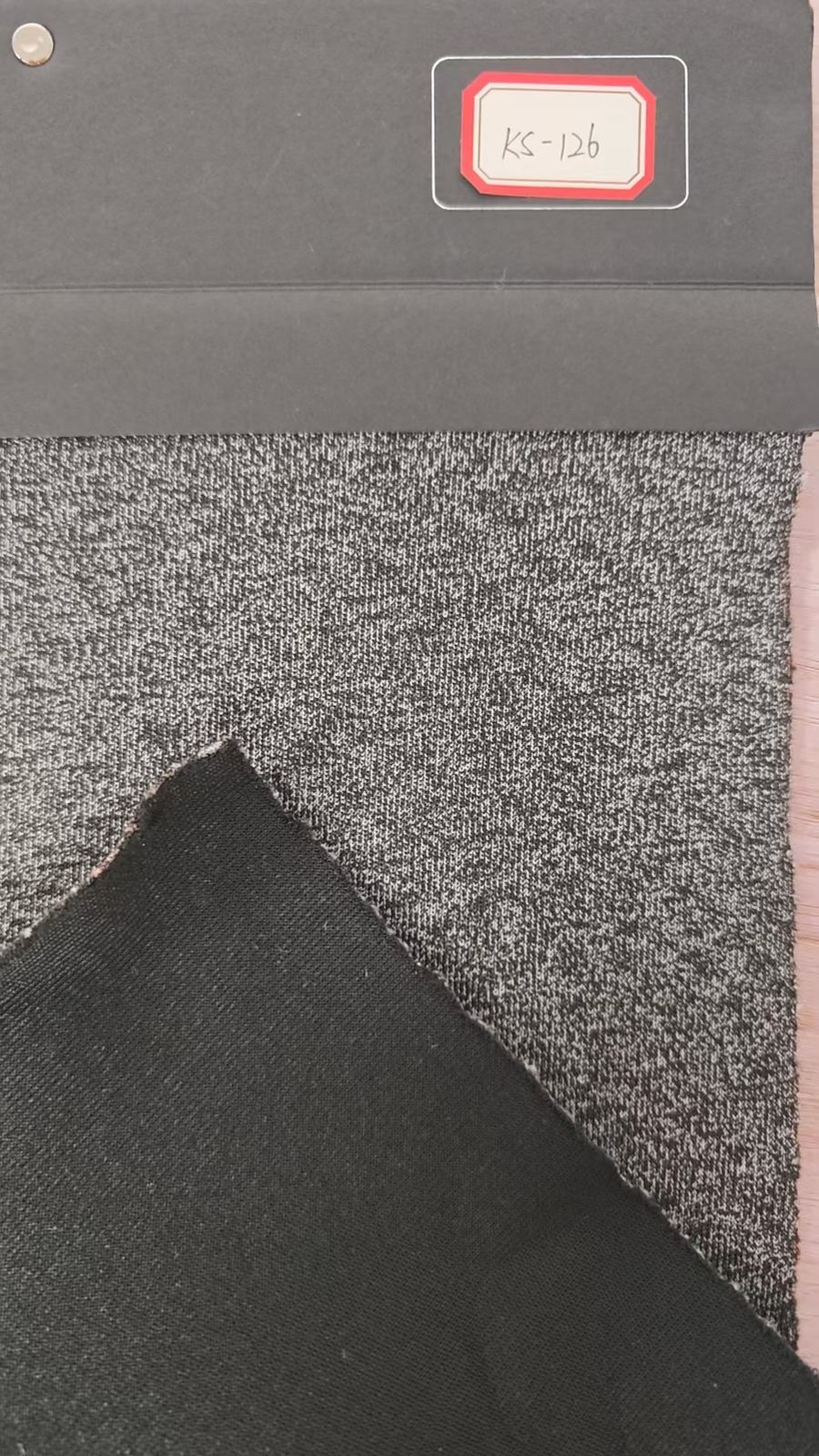
UHMWPE is effectively undyeable: the fibre is highly crystalline and chemically inert, so colour is not a design choice in this cloth. It is supplied in its own fibre colour — white as standard and black in regular supply — and colour is used as a functional marker rather than as a design decision. Where a garment or a liner has to be colour-coded, the colour comes from another fibre in the blend or from the fabric construction; tell us the code you use and we will confirm which route is available for the construction you need.
Standards and certification
This fabric is supplied on material-level data, and it is a mechanical-protection material. The items below are the ones we can stand behind for the class today; the standard that carries the cut data is named in the note with its status beside it.
- OEKO-TEX® STANDARD 100 Textiles tested for harmful substances. Our fabric certificate covers woven and knitted fabric made from the fibres in its certified list, UHMWPE white or spun-dyed among them, at Product Class II. The certificate covers the certified fibre and form list rather than a single model.
- ISO 9001 Quality management system.
- REACH SVHC Declaration available on request for the exact article supplied.
The route that carries the cut data for this class is EN ISO 13997, which reports a cutting resistance in newtons as material data. It is arranged to the customer's requirement and reported for the production lot, and we hold no report for a construction of this class, so no newton value and no letter grade is printed on this page. The lettered grades belong to the finished article: EN 388 and ANSI/ISEA 105 grades are issued on the finished glove, not on rolled fabric, and are established by testing that glove. A chainsaw-protective construction built from this fabric feeds into a garment assessed under EN ISO 11393, and the classification of that garment belongs to the maker who builds it. No flame, heat, arc or molten-metal standard is listed for this fabric and none should be applied to it: UHMWPE melts rather than charring, so those standards do not apply to the fibre. Do not specify this fabric where flame, heat or electric arc protection is required. Test reports and certificate copies are available from our sales team on request.
Frequently asked questions
What is UHMWPE (HPPE) fabric used for?
It is a cut and abrasion protection layer: glove liners, sleeves, aprons, reinforcement for bags and packs, and chainsaw-protective constructions where the yarn has to jam the blade. It is bought as fabric by glove makers, garment makers and equipment makers, who build and certify the finished article. We supply the cloth and its material-level data.
Is the fabric flame resistant?
No, and the point is worth stating plainly: UHMWPE melts rather than charring, so it is not a flame-resistant fibre and we do not offer it as one. No flame, heat, arc or molten-metal standard is listed for this fabric, and it should not be specified where those hazards are present. For heat and flame requirements the correct materials are our meta-aramid, para-aramid or 3A fabrics.
Why is there no EN 388 or ANSI cut grade on this page?
Because the grade is issued on the finished glove, not on the roll. EN 388 and ANSI/ISEA 105 are applied to the finished article, so printing a letter grade against fabric would be misleading. What we supply at fabric level is the EN ISO 13997 cut resistance in newtons, established by testing the construction, and that is the input a glove maker uses to build and rate the finished glove.
Which weights and constructions can you supply?
The class is recorded from 180 g/m² to 520 g/m², woven and knitted. Our records name a 340 g/m² and a 520 g/m² knit for liners and sleeves, a 300 g/m² plain woven fabric with glass fibre in the construction for higher cut resistance, and a 180 g/m² chainsaw construction with an aramid lining. Tell us the cut performance and the weight the wearer will accept and we will confirm the construction.
Can the fabric be dyed?
Practically, no. UHMWPE is highly crystalline and chemically inert, so it is effectively undyeable: the fibre is supplied in its own colour, white as standard and black in regular supply. Colour is used as a functional marker rather than as a design choice, and where an article has to be colour-coded the colour comes from another fibre in the blend or from the fabric construction.
How do I verify the cut data before ordering?
Ask for the test report for the production lot. Composition, weight and construction are recorded per lot, and the EN ISO 13997 cut resistance is established by testing the construction you order, so the report names the construction it belongs to rather than a general figure. Where your own approval file needs an independent result, third-party test reports can be provided on request.
Let’s talk about your fabric requirements
Tell us the application, the required weight and the standard you need to meet. Our technical team will come back with a matching fabric, the spec sheet and a quotation.