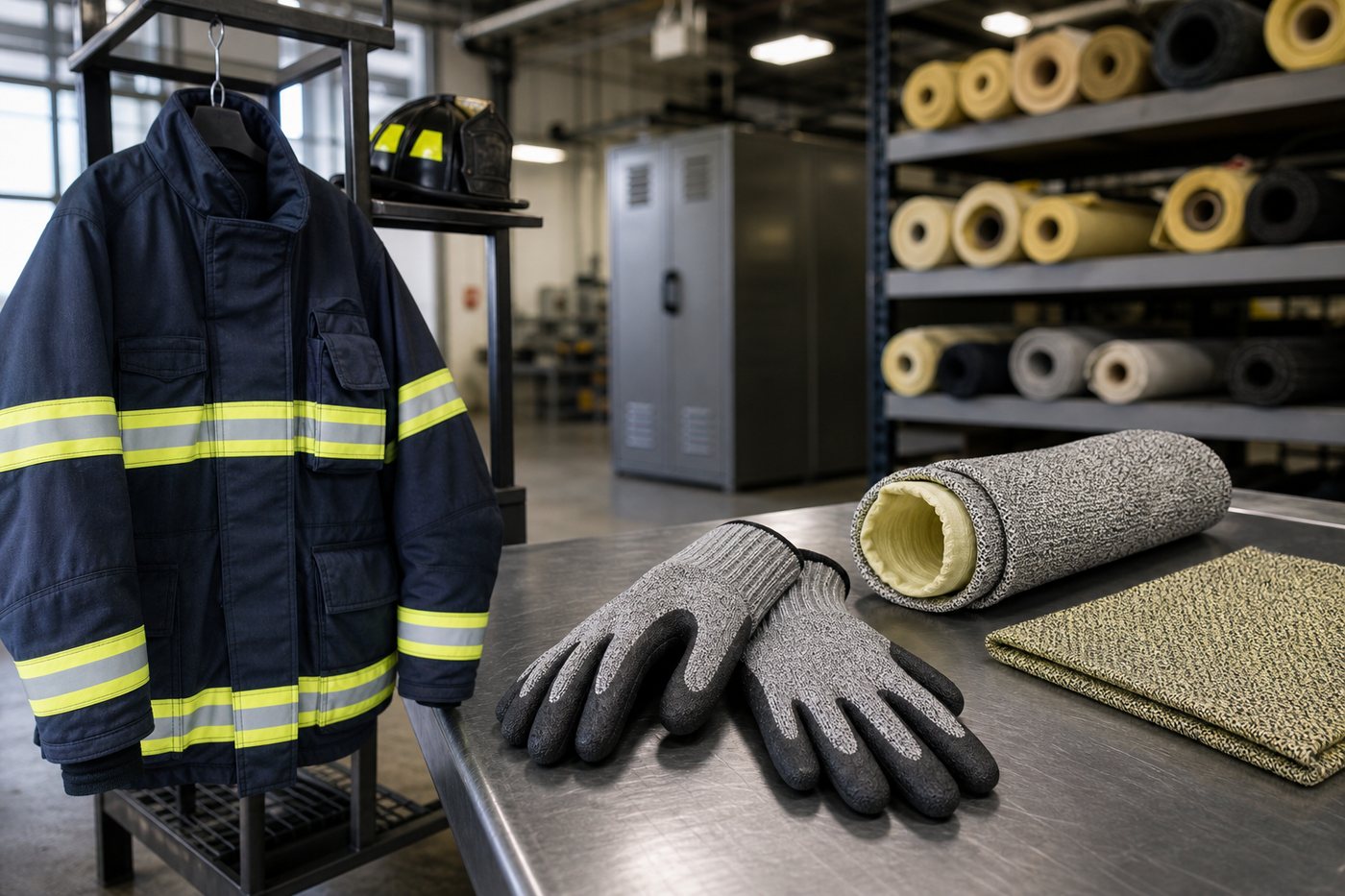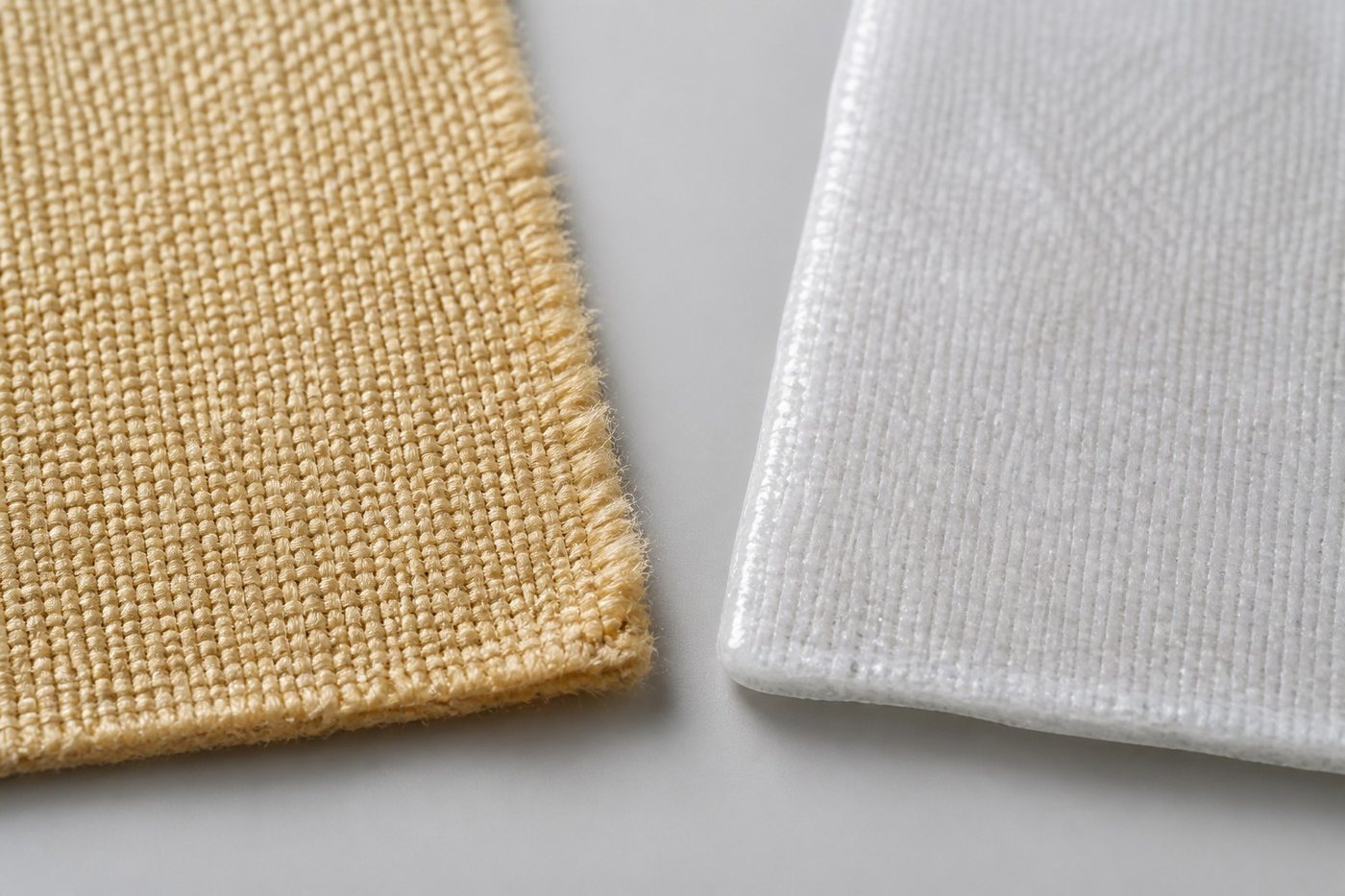
Aramid fibers, known for their flame retardant, high-strength, and thermal-resistant properties, are widely used in firefighter suits, military gear, industrial gloves, and PPE clothing. However, aramid is also considered a “dye-resistant” fiber due to its highly crystalline molecular structure and strong hydrogen bonding — making traditional dyeing methods less effective.
So, how is aramid dyed? Let’s break it down.
Traditional Dyeing Methods for Aramid
1.Carrier Dyeing
Uses a carrier to swell the fiber and disrupt hydrogen bonds, allowing flame retardant aramid yarn or aramid flame retardant yarn to better absorb disperse dyes.
2.High-Temperature Dyeing
Raising dye bath temperatures above 250°C can enhance molecular mobility, allowing better penetration — although this is energy-intensive and less eco-friendly.
3.Solvent-Based & Supercritical CO₂ Dyeing
Organic solvents or supercritical CO₂ can dissolve dyes and slightly swell aramid fibers, improving color uptake. These are being explored as greener alternatives.
4.Plasma & Radiation Surface Treatments
Surface etching methods improve dye affinity without compromising the fiber’s strength — commonly used for aramid abrasion resistant fabric.
Dope Dyeing (Solution Dyeing)
For uniform and highly durable coloration, dope dyeing (adding color during spinning) is widely used for para-aramid (aramid 1414)fireproof fabric and modacrylic flame retardant yarn. This method ensures excellent colorfastness and avoids post-dyeing pollution. Innovative approaches like copolymerization and polymer blending allow for easier dyeing of certain aramid variants. These processes can also be combined with surface modification techniques to meet diverse color and performance needs in PPE.
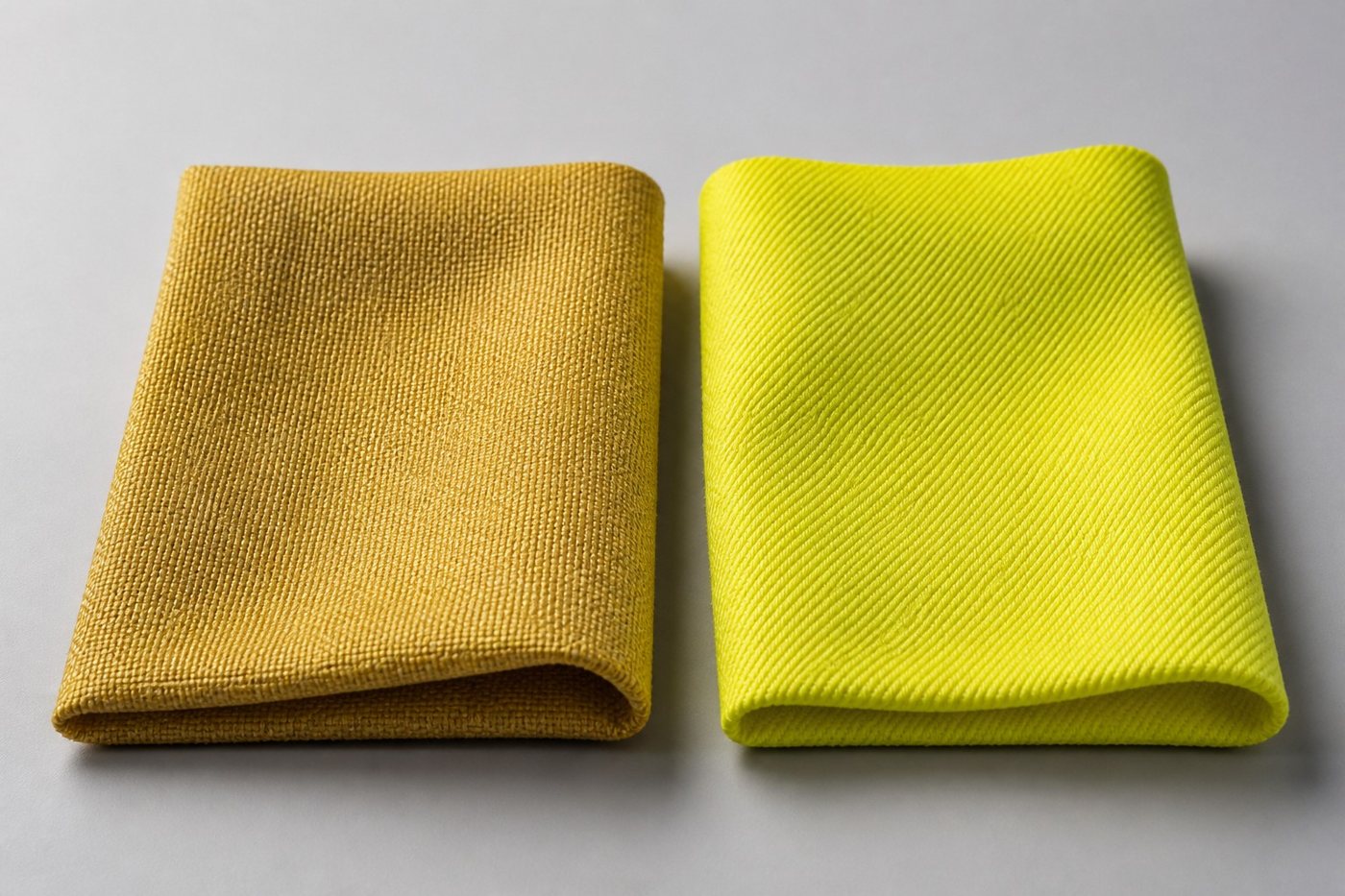
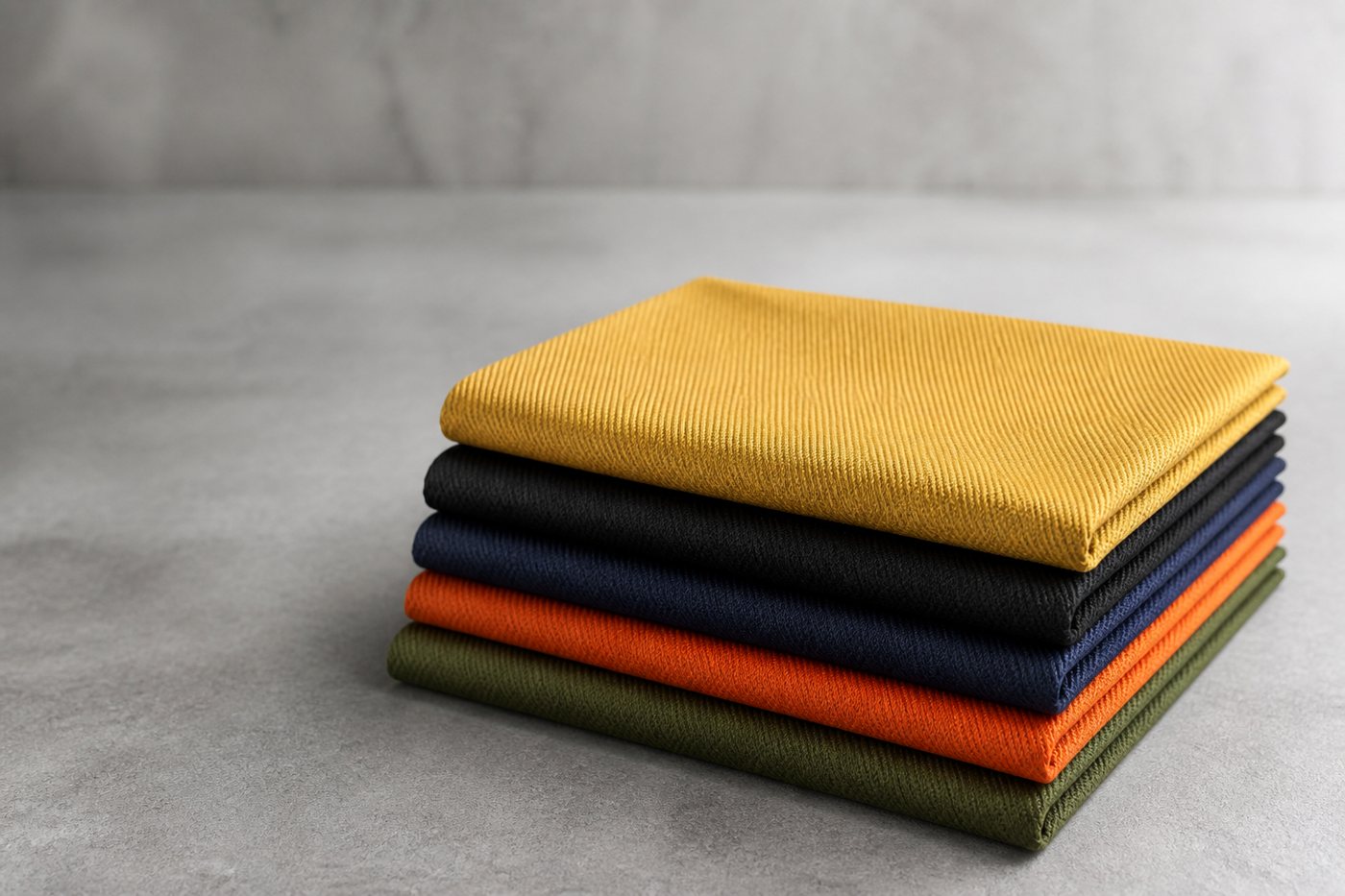
While safety is always the priority, color plays a critical role in visibility, branding, and end-user comfort — especially in garments made with uhmwpe cut resistant fabric, uhmwpe anti cutting fabric, or aramid-based knits.
Explore our flame-resistant & cut-resistant solutions at: Modified Aramid for Improved Dyeability
Why Dyeability Matters
Interested in learning how we customize dyed technical yarns and fabrics?
www.stmingdaaramid.com