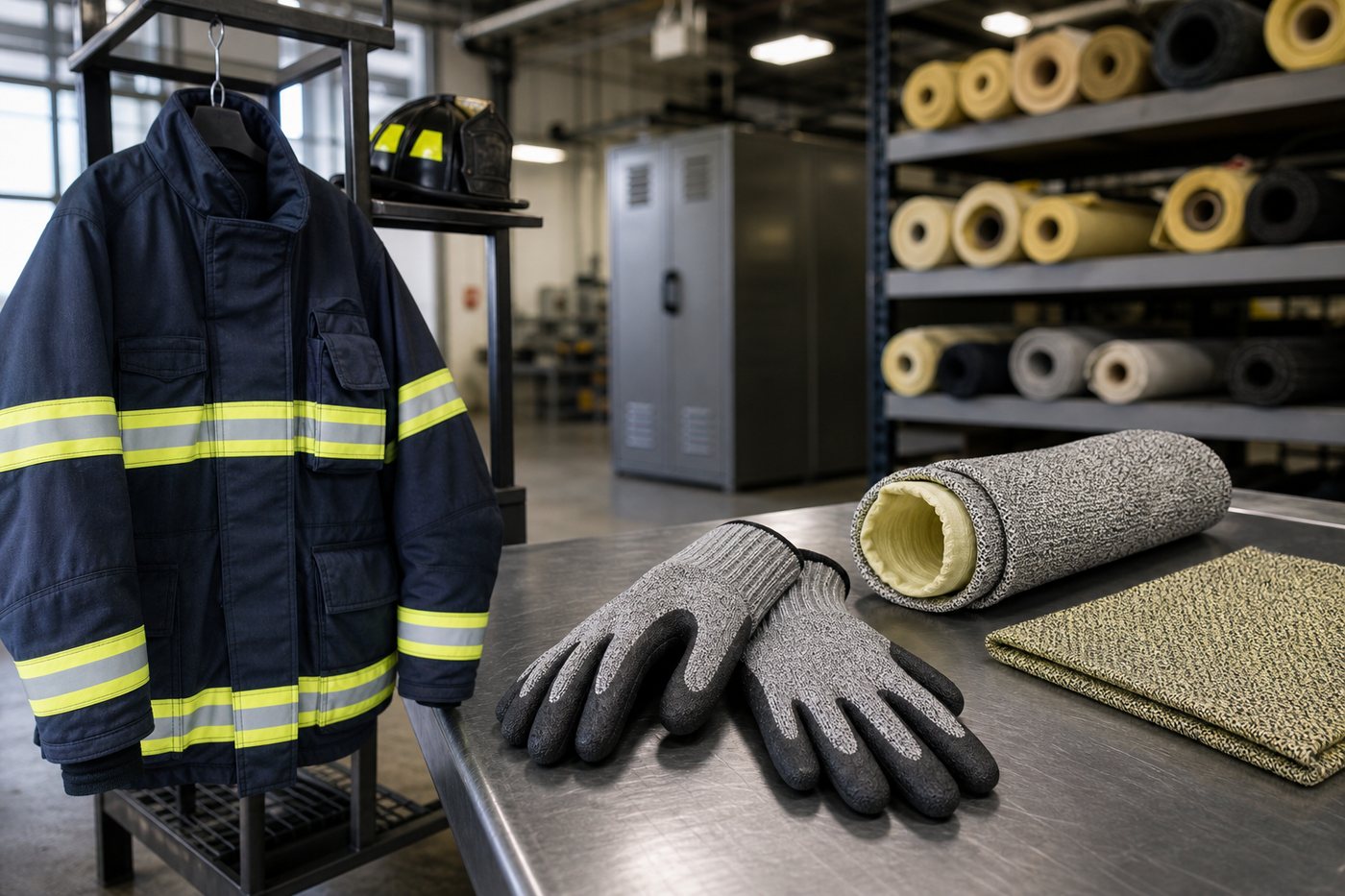
Many procurement specialists and safety managers often ask one key question: Will the flame-retardant performance of aramid and modacrylic fabrics fade after repeated washing and long-term use?
The clear answer is no.
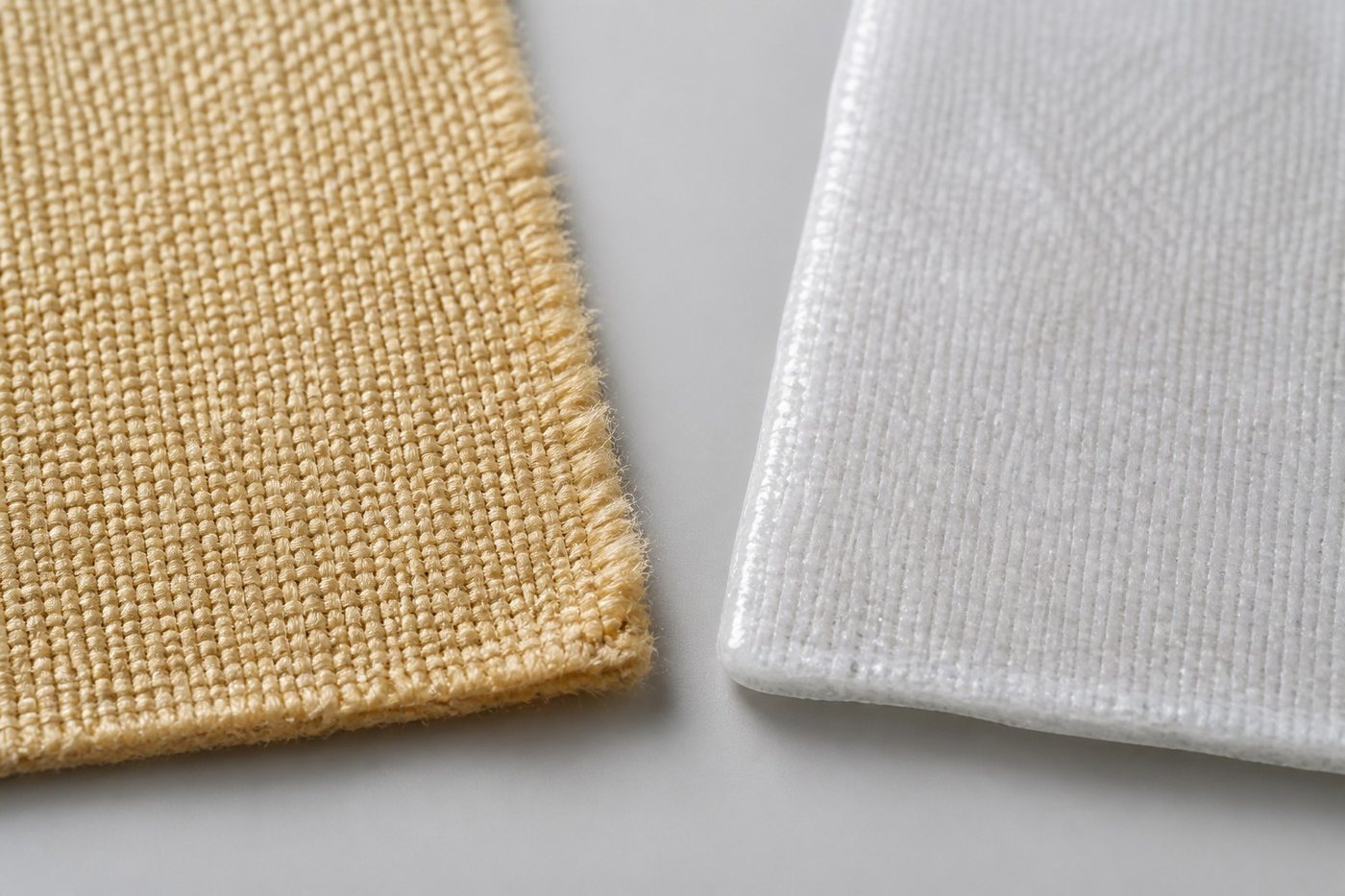
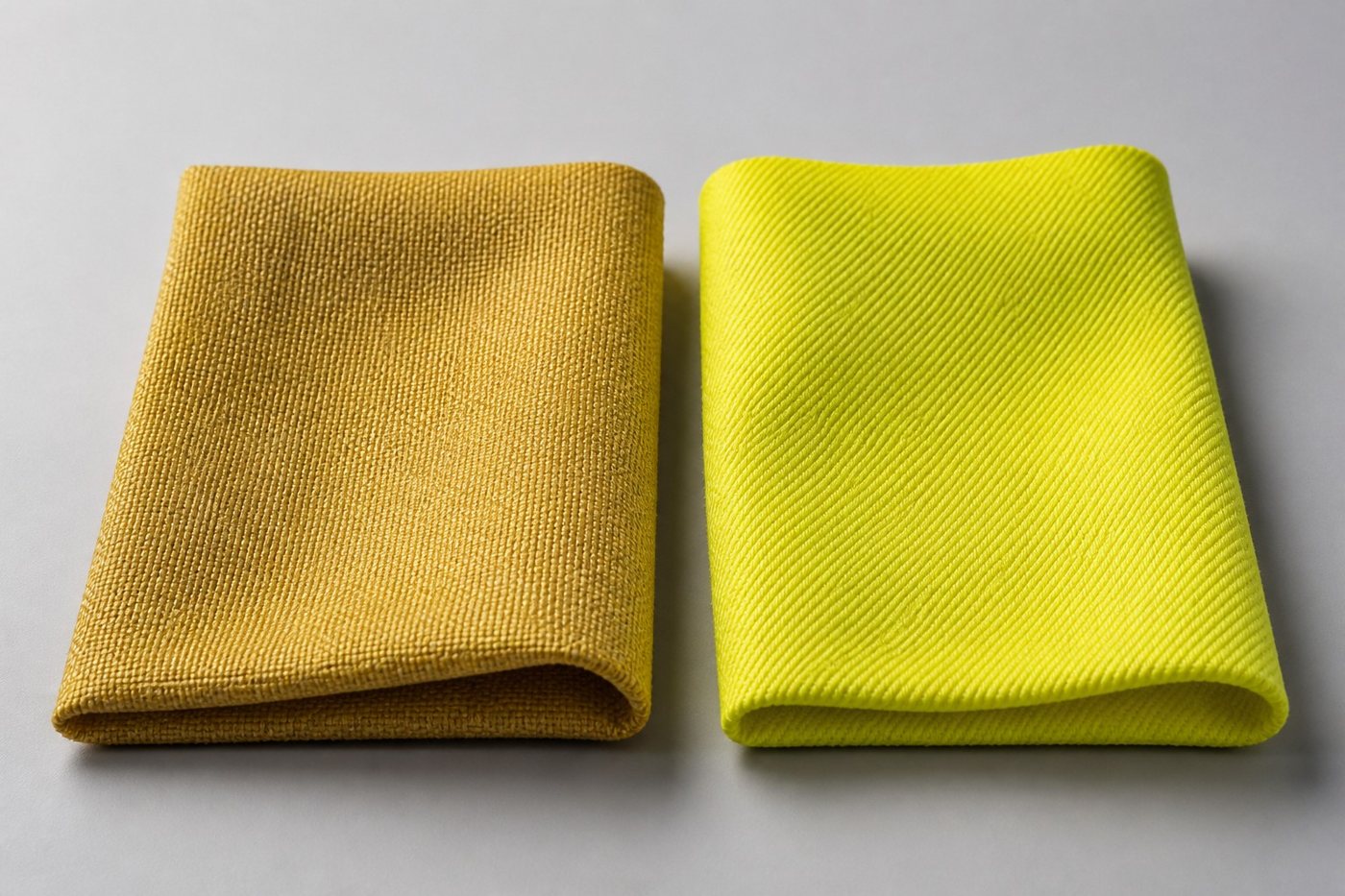
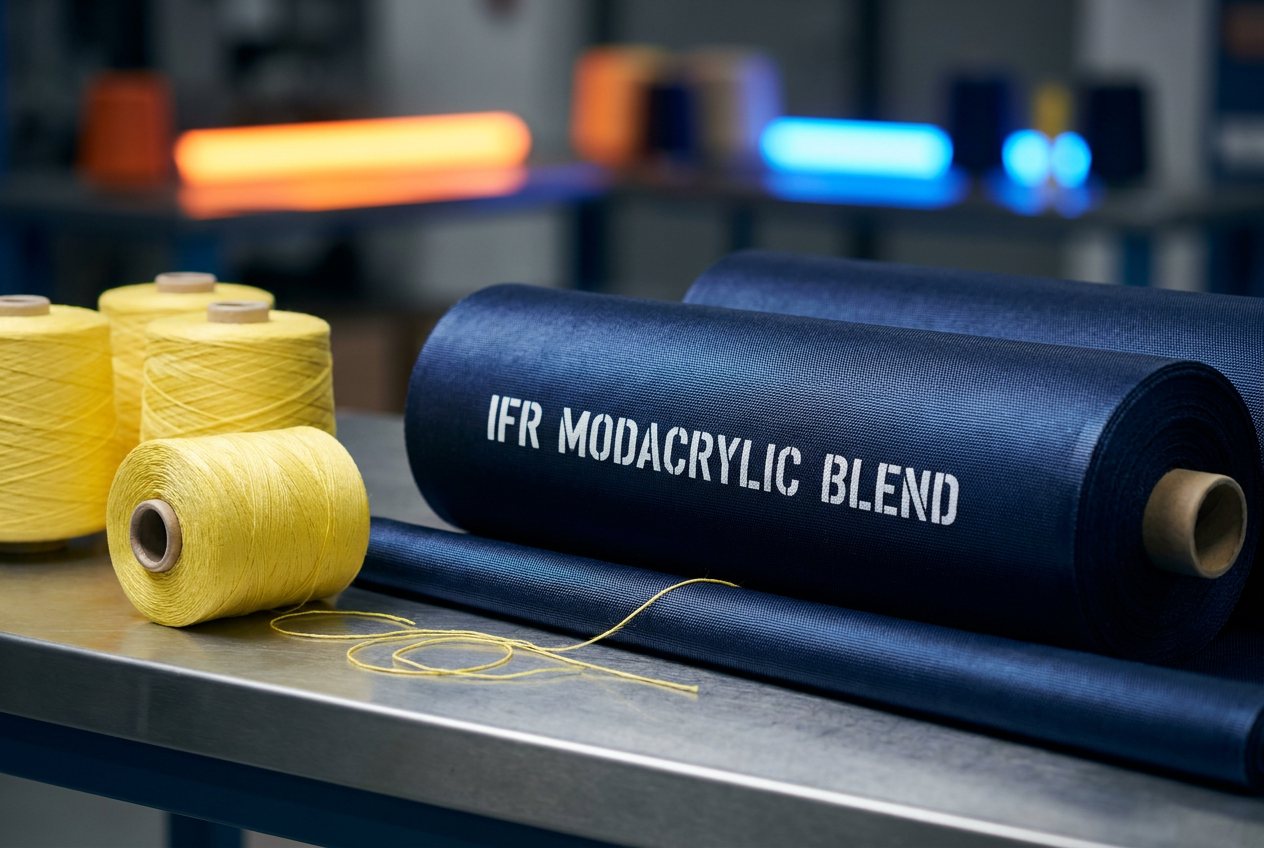
Aramid (meta-aramid & para-aramid) and modacrylic, commonly blended into MR fabrics, belong to inherently flame resistant (IFR) materials. Their flame-retardant capability is not achieved by applying chemical coatings on conventional cotton or polyester surfaces. Instead, fire-resistant properties are integrated into the fiber’s molecular structure from production.
Core Benefits of Inherently Flame Resistant Fabrics
-
Permanent Flame Protection
The built-in fire resistance will never be washed off or worn down by friction. It delivers reliable safety throughout the entire service life of the protective apparel.
-
Skin & Eco-Friendly Performance
Free from surface chemical treatments, these fabrics eliminate risks of skin irritation caused by chemical leaching. They also avoid environmental pollution during washing processes.
-
Excellent High-Temperature Resistance
When exposed to extreme heat, flash fires or electric arcs, the fabrics stay structurally stable. They will not melt or drip, effectively preventing secondary burns to the wearer.
For enterprises pursuing long-term value and strict safety compliance, inherently flame retardant yarns and fabrics are undoubtedly the optimal and professional choice for personal protective equipment.