Meta-aramid base cloth for retroreflective safety tape
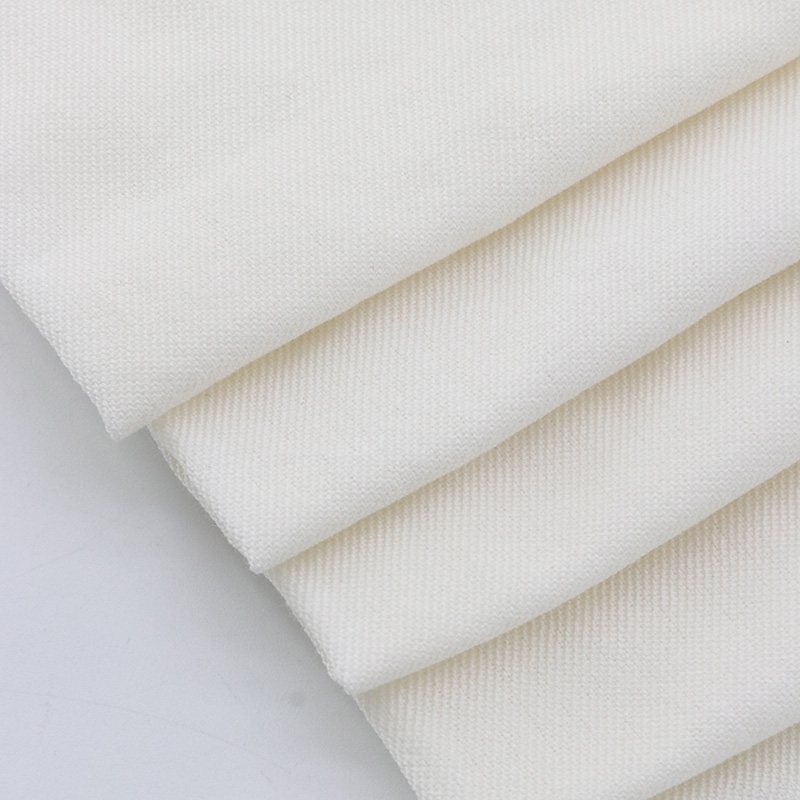
100% meta-aramid (aramid 1313) · Woven twill and plain, 110–240 g/m² in 110–150 cm · Natural (undyed) · The base cloth a retroreflective safety tape is laminated on
The meta-aramid base cloth that retroreflective tape and flame-resistant hi-vis trim are built on. We weave it in the weight, width and construction the tape line runs, from yarn spun in the same plant.
- Inherently flame resistant — the fibre does not melt or drip, and the cloth needs no FR finish
- Woven twill and plain, 110–240 g/m² in 110–150 cm, and made to the tape line’s own weight and width
- Spun and woven under one roof, so the composition is known at the yarn stage
Application scenarios
The base cloth behind a retroreflective tape
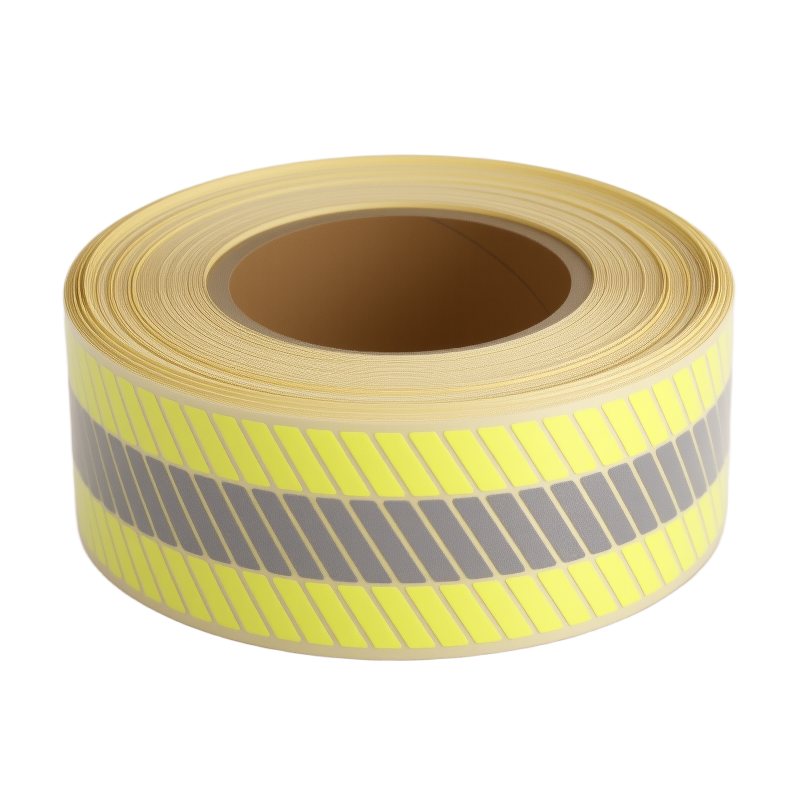
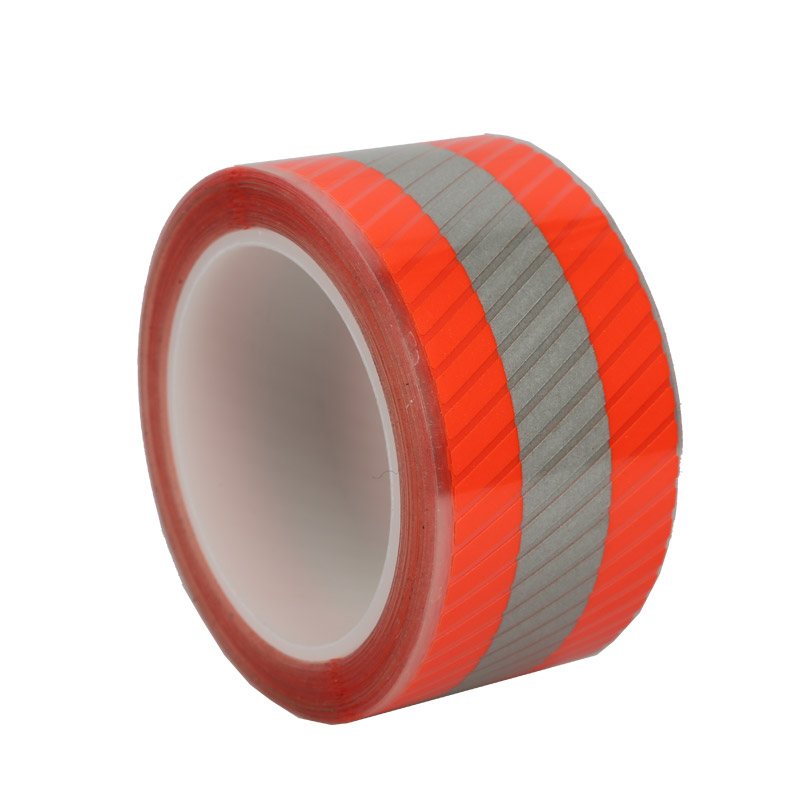
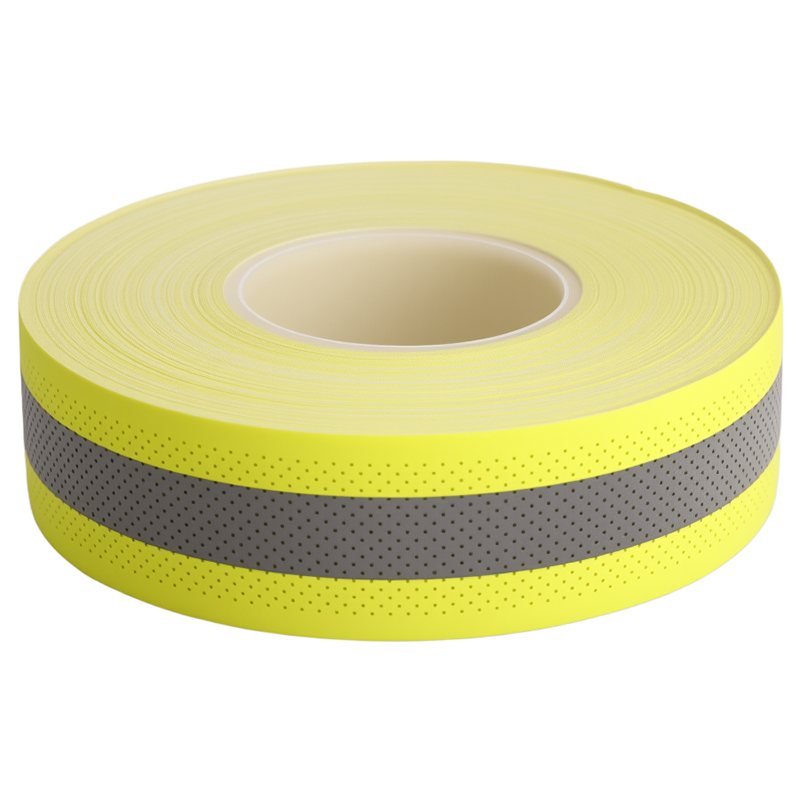
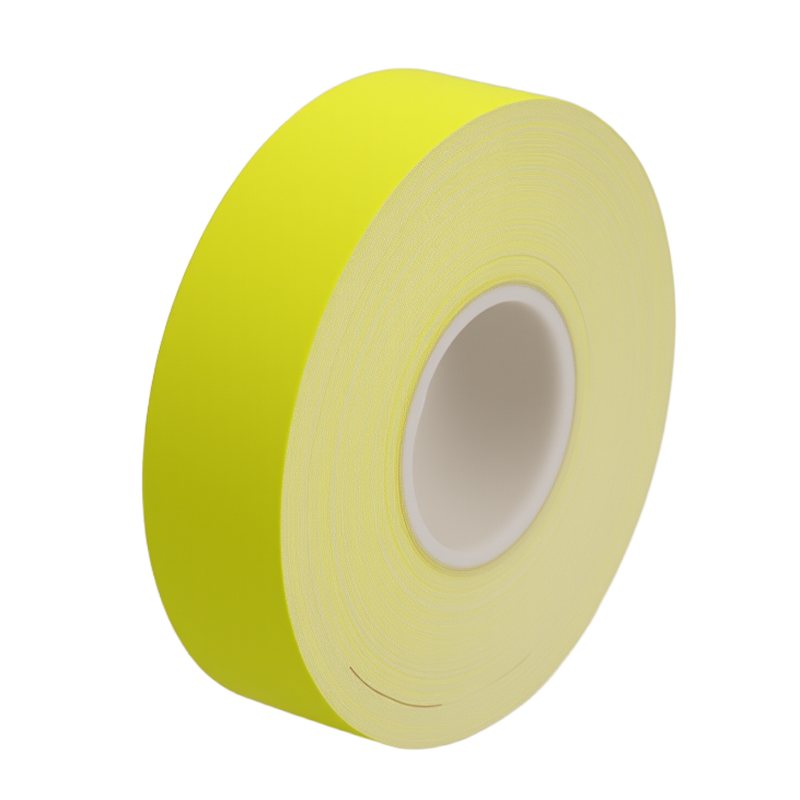
A retroreflective safety tape is a laminate, and the base cloth is the layer that gives it its body. The fluorescent face supplies the daytime colour, the retroreflective layer returns light to the driver at night, and the woven base cloth is the substrate both of them are carried on — the layer that decides how the tape handles, how it folds over a seam, and how the finished trim behaves through the garment’s own wash and wear cycle. That is why the base cloth is specified rather than bought on price alone.
The fibre is chosen for the heat side of the job. Meta-aramid (aramid 1313) is inherently flame resistant: the flame resistance belongs to the polymer, not to a finish applied after weaving, so there is nothing to wash out or wear off, and no flame-retardant chemistry has to sit between the base cloth and the tape’s own adhesives and coatings. It does not melt or drip — it chars and builds a carbonised barrier — so a tape built on it does not introduce a melting layer into the garment. The fibre is used continuously at around 250 °C and only begins to decompose above 370 °C.
Structure follows the laminating line. The list runs in two weaves — twill for the F-WTM constructions and plain for F-WPM200-138 — across 110 to 240 g/m² and 110 to 150 cm. Twill carries a diagonal rib and a softer, more supple hand, which suits a tape that has to fold over a seam and stay flat where it is stitched; plain weave is the flatter, firmer structure where the construction calls for it. Both are woven to a uniform thickness across the full width — which is what a slitting line needs to hold a constant tape width — and both give the coating and the adhesive an even surface to key to. Weight, width and roll length are made to order against that line, so the tape maker sets the base cloth instead of designing the trim around a catalogue.
Colour is the specification the tape line settles. Natural, undyed cloth is the standard supply here, because the fluorescent face and the retroreflective layer carry the colour and the optics; the base cloth behind them only has to be clean, even and consistent from roll to roll. A dyed shade is worked out against the coating system rather than picked from a shade card, so it is quoted with the order. Everything else on this page that can move — weight, width, roll length, put-up — is set the same way.



Who makes it
Why tape makers buy the base cloth from us
Our textile roots go back to 1972 and the company was established in Shantou, Guangdong in 2002. Today the cloth on this page is made in a 30,000 m² integrated spinning and knitting plant, so the meta-aramid yarn in the base cloth is spun and woven under one roof rather than bought in and resold.
That integration is what a tape line is buying. Annual output is more than 1,000 tons of aramid, Modacrylic and HPPE yarn and more than 500 tons of protective fabric. The base cloth is woven to the tape maker’s own weight, width and construction, so the laminating and slitting line can be set up around the cloth that actually runs on it.
Because the fibre is spun and woven in the same plant, the composition is known at the yarn stage and any batch can be traced back to the test report for its production lot. Tell us the tape construction and the coating you laminate to, and we will confirm the base cloth for it.
Technical data
Product information
The base cloth we produce for retroreflective safety tape — five constructions on the main product list, with the figures the source records for each. Every figure names its source.
| Model | Composition | Weight | Construction / width | Rating or key property | Source |
|---|---|---|---|---|---|
| F-WTM110-132 | 100% meta-aramid (aramid 1313) | 110 g/m² | Woven twill, 132 cm | Reflective-tape base cloth | Main product list |
| F-WTM165-145 | 100% meta-aramid (aramid 1313) | 165 g/m² | Woven twill, 145 cm | Reflective-tape base cloth | Main product list |
| F-WTM165-110 | 100% meta-aramid (aramid 1313) | 165 g/m² | Woven twill, 110 cm | Reflective-tape base cloth | Main product list |
| F-WPM200-138 | 100% meta-aramid (aramid 1313) | 200 g/m² | Woven plain, 138 cm | Reflective-tape base cloth | Main product list |
| F-WTM240-150 | 100% meta-aramid (aramid 1313) | 240 g/m² | Woven twill, 150 cm | Reflective-tape base cloth | Main product list |
Woven meta-aramid base cloth for retroreflective safety tape
The Source column names where each figure comes from: Main product list is the range we hold as current main products for this application, and Index is our product information index. Weight and width are the recorded values, not a preferred range — the made-to-order range is on the specification options below. Where our records hold no rating for a construction we write On request rather than an estimate.
Made to order
Specification options
Weight, width and put-up are what a tape line changes, so they lead the list. Everything here is made to order against your laminating and slitting line.
- Natural (undyed)
- A dyed base on request
Natural, undyed cloth is the standard supply for a tape construction, because the fluorescent face and the retroreflective layer carry the colour and the optics. Meta-aramid is a dyeable aramid, so a dyed base is available where the finish suits your coating system — tell us the tape construction and the coating and we will confirm the base cloth that goes with it.
Standards and certification
Our base cloth is made to conform to the application standards listed below, in the tape and garment line each one is bought for. Where a certificate for a specific standard is required, we arrange testing to the customer’s requirement.
- OEKO-TEX® STANDARD 100 Textiles tested for harmful substances.
- ISO 9001 Quality management system.
- IATF 16949 Automotive quality management system, certified for the manufacture of polyester and aramid cloth at our Shantou plant. Product design is a permissible exclusion, which is why the cloth is woven to the tape maker’s own drawing. The certificate covers the cloth mill.
- EN ISO 20471 High-visibility clothing. The standard applies to the finished garment, not to the base cloth on its own: a high-visibility garment is built from a fluorescent background fabric plus retroreflective tape, and the combination is what is assessed. We supply the base cloth the retroreflective tape is laminated on — we do not hold EN ISO 20471 for this cloth.
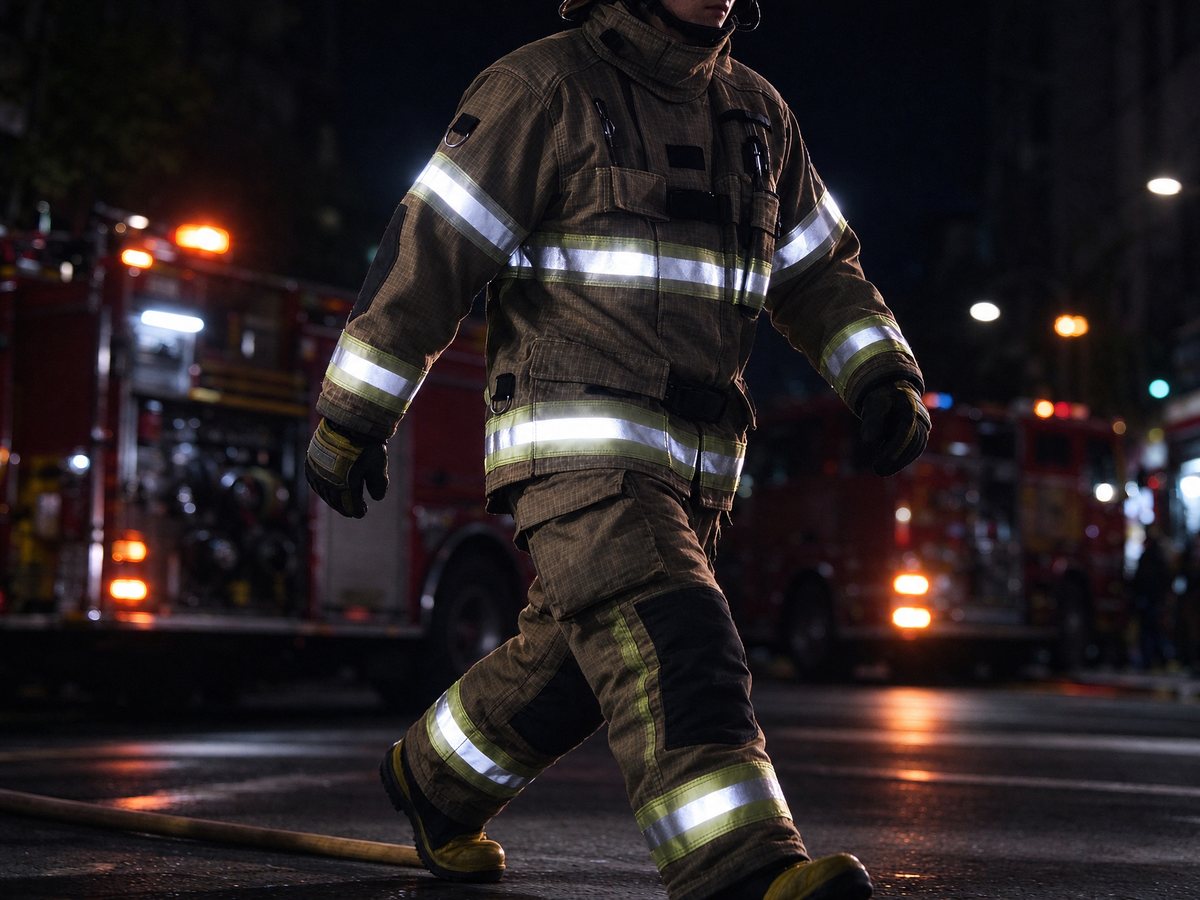
- EN ISO 11612 Protective clothing against heat and flame. A flame-resistant high-visibility garment is built to EN ISO 20471 with the heat and flame requirements of EN ISO 11612 on top. Both are garment standards, and the base cloth is one of the materials the garment maker assesses against them.
The material data sheet and the test report for each production lot are issued with the sales documents for your order. Standards written for the finished garment — EN ISO 20471 and EN ISO 11612 among them — are met by the tape maker and the garment maker who build on this cloth.
Frequently asked questions
What does the base cloth do in a reflective tape?
It is the substrate the laminate is built on. The fluorescent face gives the tape its daytime colour, the retroreflective layer returns light to the driver at night, and the woven base cloth is what those layers are carried on. That makes it the layer that decides how the tape handles, how it folds over a seam and how the finished trim behaves through washing and wear. A substrate that is not stable enough is also what makes slit tape curl and distort the retroreflective layer.
Why meta-aramid rather than a polyester base cloth?
Polyester is the common, cost-effective base for tapes that only have to be reflective, and it is widely used. Meta-aramid is chosen where the tape goes onto a garment that also has to resist heat and flame: the fibre is inherently flame resistant and does not melt or drip, so the tape does not introduce a melting layer into the garment, and there is no flame-retardant finish on the cloth to be consumed by heat, by washing or by the laminating process itself. Meta-aramid is used continuously at around 250 °C and only begins to decompose above 370 °C.
What does inherently flame resistant mean for this cloth?
It means the flame resistance belongs to the polymer, not to a finish applied after weaving. There is nothing to wash out, wear off or lose during laminating, which matters for a tape because the base cloth is bonded to coatings and adhesives and is not re-finished afterwards. A treated cloth can lose its rating as the finish is consumed; an inherent fibre does not.
Do you supply only the weights and widths on the list?
The main product list runs from 110 to 240 g/m² in widths from 110 to 150 cm, in twill and plain, and those are the constructions we hold as current main products. Every one of them — and any other weight or width your line runs — is made to order, so tell us what your laminating and slitting line needs and we will confirm the base cloth for it rather than asking you to design the tape around a catalogue.
Does this base cloth carry EN ISO 20471?
No, and it is worth being precise about why. EN ISO 20471 is a standard for high-visibility clothing: it assesses a finished garment built from a fluorescent background fabric plus retroreflective tape, and the garment maker holds that certification. Our base cloth is the substrate the tape is laminated on. What we do hold for the cloth is OEKO-TEX STANDARD 100, ISO 9001 and IATF 16949, and those are the certificates we list.
Can the base cloth be supplied dyed?
Natural, undyed cloth is the standard supply, because the fluorescent face and the retroreflective layer carry the colour and the optics and the base cloth behind them only has to be clean and even. A dyed base is worked out against your coating system rather than chosen from a shade card, so tell us the tape construction and the coating and we will confirm what we can hold. Anything we cannot confirm is written On request rather than quoted as an estimate.
How do I confirm the weight, width and fibre content of a batch?
Ask for the test report for the production lot. Weight, width, breaking strength and the delivered construction are recorded per lot, and the report identifies the batch you received so it can be checked against this page. Where your own approval file needs an independent result, third-party test reports can be provided on request, and where a certificate for a specific standard is required we arrange the test to the customer’s requirement.
Let’s talk about your fabric requirements
Tell us the application, the required weight and the standard you need to meet. Our technical team will come back with a matching fabric, the spec sheet and a quotation.